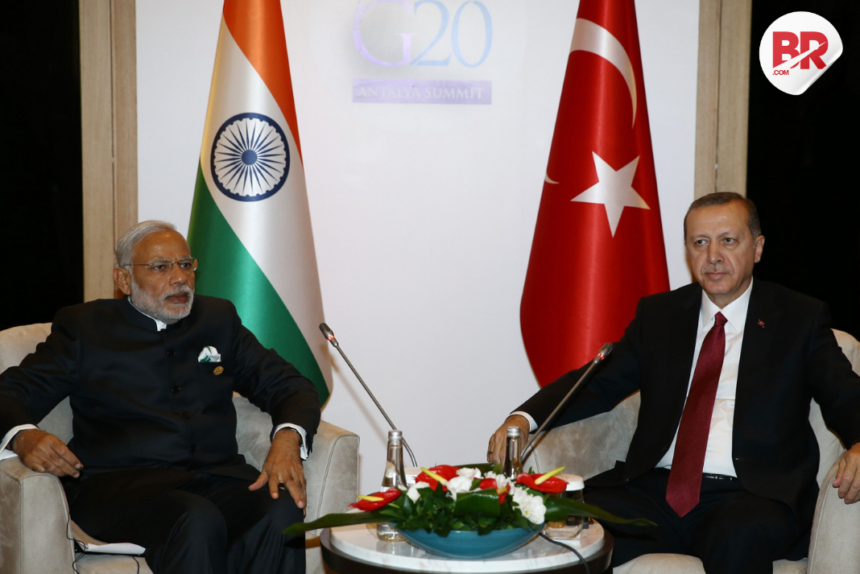
Turkey’s trade and business ties with India have been strong for years. Turkish companies operate in at least five Indian states — Gujarat, Maharashtra, Uttar Pradesh, Jammu & Kashmir, and Delhi.
The two countries signed many MoUs covering sectors like automobiles, IT, metro rail, construction, and education. In FY24, their bilateral trade reached a healthy US$10.4 billion.
According to the India Brand Equity Foundation (IBEF), Turkey ranks 45th in FDI equity inflows into India, with a total investment of US$240.18 million since 2000.
But now, things are changing. Turkey’s repeated comments on Kashmir at global forums and its closeness to Pakistan have raised red flags in New Delhi. This is not just politics; it affects Indian businesses too.
What does this mean for Indians and the economy?
For the average Indian, Turkish firms contribute to key projects like metro rails in cities such as Lucknow, Pune, and Mumbai. They also have stakes in manufacturing units and aviation services.
These are not small players; they help build infrastructure and provide public services. But after “Operation Sindoor” in Kashmir, the Indian government started rethinking these ties. Officials say all Turkish projects and agreements are now under close watch. Some might continue, but many could face delays or cancellations.
Here’s the irony: India welcomed Turkish investments when it seemed beneficial. But now, strategic interests come first. It’s like hosting a guest who keeps praising your rival – eventually, you stop inviting them.
A quiet but firm shift
The Modi government prefers to handle this quietly. There’s no public cancellation yet, but a “silent unwind” is happening. Agreements made under President Erdoğan’s 2017 visit are now being re-evaluated. Economic benefits are important, but not at the cost of national security or diplomatic clarity.
Turkey’s growing alignment with Pakistan and its stance on Kashmir hurt the trust India once had. The government wants to protect Indian interests without making a big diplomatic noise. This careful approach shows India’s maturity and strategic patience.
As India rises globally, it cannot ignore partners who openly challenge its core issues. Turkey’s business footprint may shrink if it continues this path. India wants investment, but not from countries that undermine its sovereignty.
Also Read Turkey Travel Plea Backfires: Why Indians Are Furious—and Not Forgiving