


How Reciprocal Tariffs Are Shaking Up Global Safety and Trade
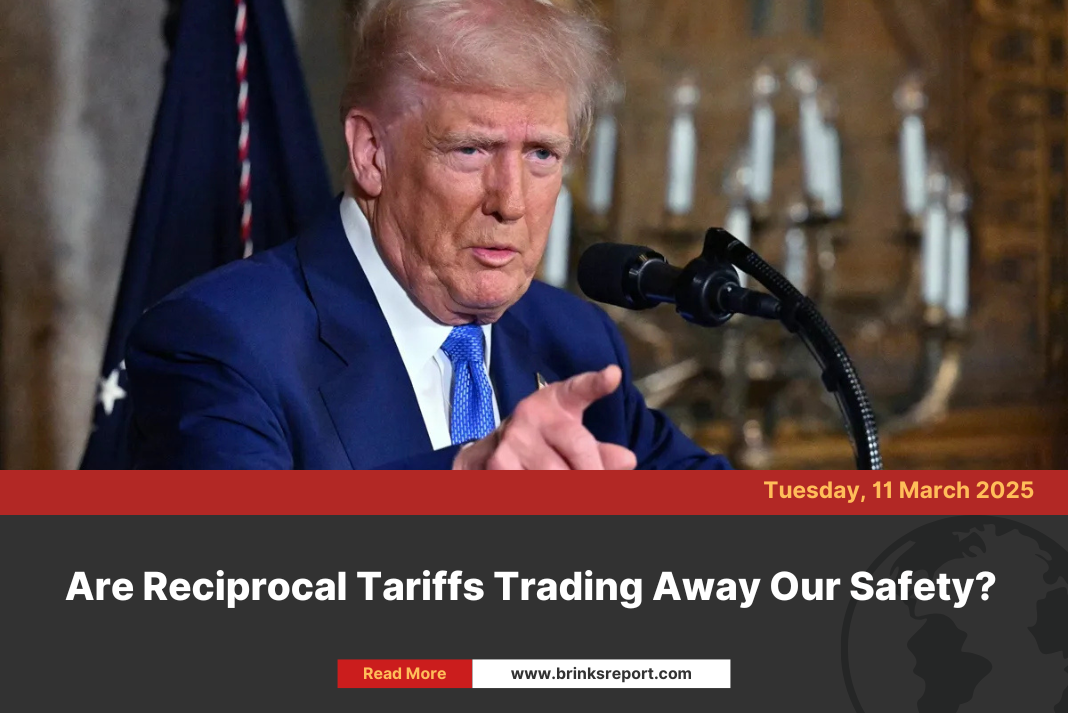
The global economy is like a giant web—tug on one thread, and the whole structure feels the pull. When US President Donald Trump introduced reciprocal tariffs, it was meant to level the playing field for American businesses. But as these tariffs take effect, the ripple effects are raising big questions: What does this mean for safety—both in the workplace and for consumers? Let’s dive into the story.
What Are Reciprocal Tariffs?
Reciprocal tariffs are simple in theory: if another country slaps tariffs on US goods, the US responds in kind. The goal? To push for fair trade and protect American industries. But in practice, it’s not so straightforward.
The global economy is deeply connected, and these tariffs could disrupt more than just trade—they could shake the very foundations of safety and economic stability.
Also Read: Wall Street Plummets: How Tariffs Triggered a Market Crash
The Domino Effect on Economic Stability
When trade tensions rise, prices often follow. Higher costs for goods and raw materials mean pricier products for consumers. This can strain household budgets, forcing people to cut corners on essentials.
For businesses, rising costs might lead to cuts in safety training, quality control, and employee protections. Over time, these compromises can put workers and consumers at risk.
Workplace Safety Under Pressure
Industries like manufacturing and construction are especially vulnerable. For example, tariffs on steel imports could drive up costs for construction companies. Faced with tighter budgets, they might delay projects or use cheaper materials, risking the safety of buildings and bridges.
Similarly, manufacturers relying on imported parts might cut corners to stay competitive, potentially compromising product safety.
Also Read: How Tariffs Caused a $4 Trillion Loss on Wall Street: The Ripple Effects of Trade Policies
Supply Chains in Chaos
One of the most immediate impacts of reciprocal tariffs is supply chain disruption. When imports get more expensive or harder to access, companies scramble to find alternatives. This can lead to delays, bottlenecks, and even production errors.
For consumers, this could mean more defective or unsafe products hitting the shelves as companies rush to meet demand.
Global Cooperation at Risk
Safety standards often rely on global cooperation. But as trade tensions grow, countries might become less willing to work together on issues like product safety, environmental regulations, and cybersecurity.
This could lead to a fragmented global economy with uneven safety standards, creating risks for everyone.
Also Read: China’s Plan to Overcome US Tariffs and Keep Its Economy Strong
The Bigger Picture
While reciprocal tariffs aim to fix trade imbalances, their impact on safety is hard to ignore. From economic instability and workplace risks to supply chain disruptions and global cooperation, the stakes are high.
As the world navigates these trade tensions, finding solutions that protect both industries and consumers is more important than ever.

