


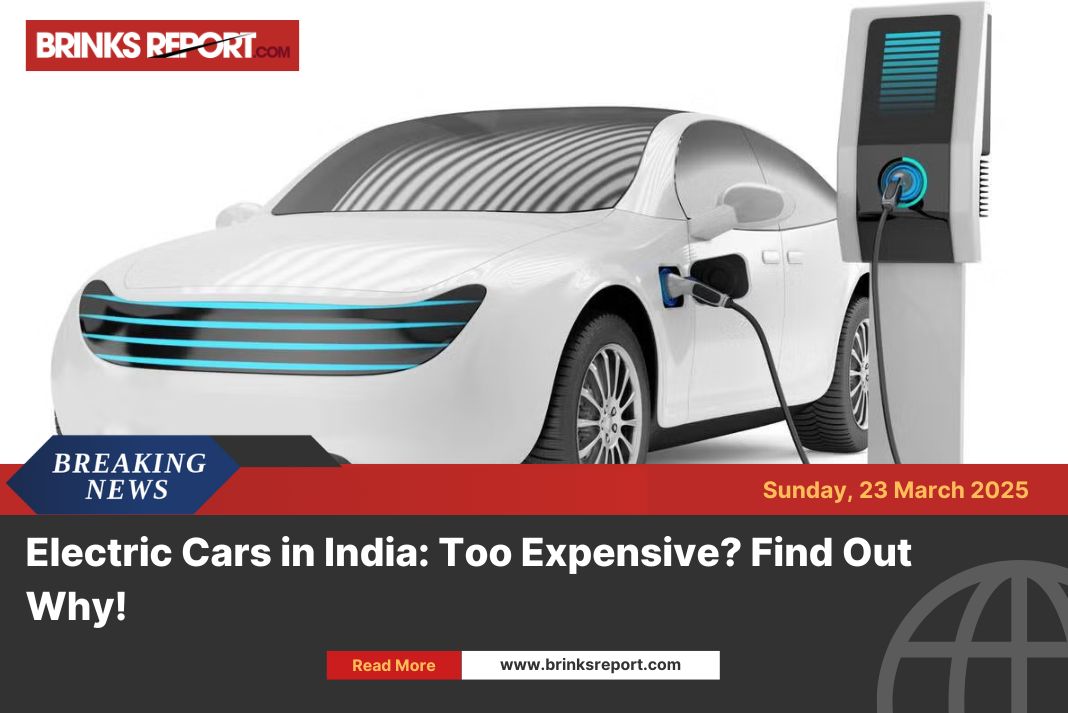
Electric vehicles (EVs) are becoming more popular as the world moves toward eco-friendly transportation. However, in India, the high cost of EVs compared to traditional petrol or diesel vehicles remains a big obstacle for many people. Although more people are becoming aware of the environmental benefits of EVs, the price difference between electric and regular cars is slowing down their adoption. The Indian government has introduced some policies to promote EVs, but the higher price is still a major challenge for many potential buyers.
Why Are EVs More Expensive?
One of the main reasons EVs are costly is the price of batteries. Batteries make up around 40-50% of the cost of an electric vehicle. Although the global price of lithium-ion batteries has dropped over time, they are still expensive in India due to limited local production. The country relies on importing these batteries, and high import taxes make them even more costly.
Another problem is that India lacks a strong local supply chain for important parts like semiconductors, motors, and battery cells. Most car manufacturers in India depend on imports for these parts, which increases production costs. This issue is made worse by high taxes on EV imports, driving up the final price of the vehicle.
Read More: China’s EV Revolution: BYD Unveils a Battery That Changes Everything!
How the Price Affects Adoption
Despite these challenges, the EV market in India is slowly growing, with more affordable models being launched by automakers. However, many Indian consumers find the price of EVs too high. For example, the average price of a small EV in India is around ₹15-20 lakh, while a regular petrol or diesel car costs ₹6-10 lakh. This big price difference makes it difficult for many people to consider buying an EV, especially in a country where most people are sensitive to price.
The government has introduced incentives like the FAME (Faster Adoption and Manufacturing of Hybrid & Electric Vehicles) scheme, which offers subsidies to people buying EVs. However, these incentives haven’t been enough to fully close the price gap. Many consumers are still discouraged by the higher upfront costs, even though EVs are cheaper to maintain in the long run.
Can the Price of EVs Go Down?
Although the current situation is tough, there is hope for the future. The Indian government plans to boost local production of EVs, including batteries. The PLI (Production Linked Incentive) scheme is expected to encourage domestic manufacturing of automotive parts and batteries, reducing India’s reliance on imports. This could lead to lower prices for EVs, making them more affordable for more people.
As technology improves, the cost of batteries is also expected to decrease. Car manufacturers are investing in research and development to make batteries more efficient and cheaper to produce. These advancements could help reduce the price gap between EVs and petrol/diesel vehicles in the near future.
Read More: MG4 EV Hatchback Debuts in China—Get Ready for the Global Craze!
How to Overcome the Problem: Working Together
The high cost of EVs is a challenge that needs the cooperation of the government, industry, and consumers. To solve this problem, it’s important to expand charging stations, increase local production, and educate people about the long-term benefits of EVs.
India aims to have 30% of vehicles as electric by 2030, and tackling the affordability issue is key to reaching this goal. While it may take some time, progress is being made. With the right policies, better technology, and support from the industry, the price barrier can be overcome, leading to a cleaner, more sustainable future.

