Delhi Gears Up for Electric Vehicle Revolution: A New EV Policy on the Horizon
Delhi is on the brink of an exciting transformation. The Delhi Cabinet is meeting today to discuss a groundbreaking Electric Vehicle (EV) policy that could completely change the way we travel and breathe. With pollution levels rising and the need for cleaner transport solutions urgent, this policy aims to accelerate the shift to electric vehicles, shaping a greener, healthier future for the city.
A Bold Vision for a Greener Delhi
The new EV policy sets ambitious goals: 95% of all new vehicle registrations in Delhi will be electric by 2027, with a full transition to 100% electric vehicles by 2030. These goals signal a major commitment to reducing carbon emissions and improving air quality in a city that often grapples with smog. As a resident, it’s exciting to think about how this policy will affect everything from auto rickshaws to personal vehicles.
What Will the EV Policy Cover?
Although the full details are still under wraps, we can expect the policy to tackle several key areas that will play a huge role in making EVs more accessible and practical for everyone.
Also Read: Delhi EV Policy 2.0: Will 95% Electric Vehicles Be Enough to Save the City?
Incentives and Subsidies
A major hurdle for many people considering EVs is the initial cost. To overcome this, the policy will likely offer financial incentives such as subsidies on the purchase price, registration fees, and possibly road taxes. These incentives will make EVs more affordable, helping residents make the switch.
Charging Infrastructure
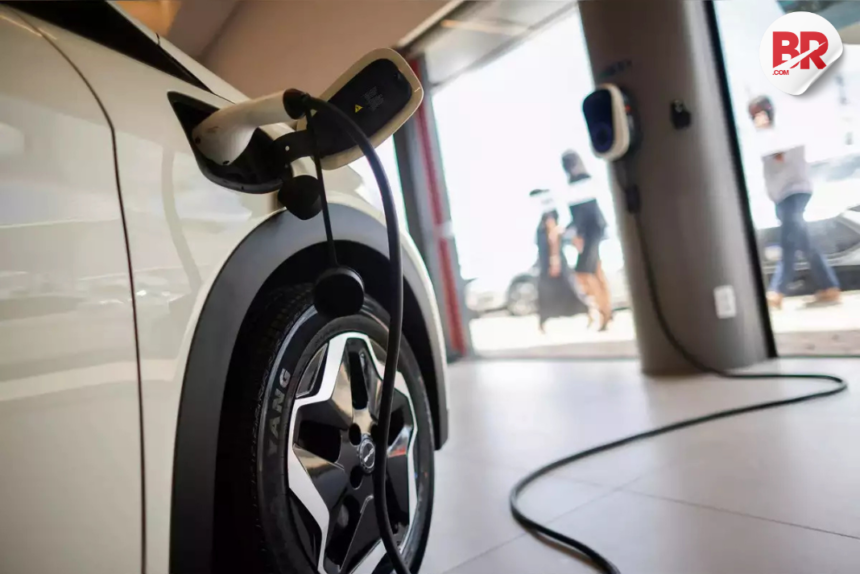
An extensive charging network is essential for EV adoption. The policy will likely prioritize building both fast and slow charging stations across Delhi. With more charging points conveniently located, residents will feel more confident in their ability to charge their EVs at home, work, or public spaces.
Battery Swapping
For certain vehicles, especially commercial ones like e-rickshaws and delivery vans, battery swapping could be a game-changer. Instead of waiting for hours to charge, drivers can swap a depleted battery for a fully charged one in minutes. This would make EVs even more practical for those in the business sector.
Electric Buses and Public Transport
Delhi has already taken steps toward electrifying public transport with electric buses. The new EV policy could expand this initiative, helping reduce pollution and offering a greener, more efficient public transport system for everyone in the city.
Also Read: Delhi’s New EV Policy Aims to Create 20,000 Jobs and Push for 95% Electric Vehicles by 2027
Awareness Campaigns
Public awareness is key to the success of any policy. The government is likely to run campaigns to educate residents about the benefits of EVs. These campaigns will focus on dispelling common myths and informing people about how EVs can help reduce pollution and save on fuel costs.
Job Creation and Skill Development
The transition to electric vehicles isn’t just about cleaner air—it’s also about creating jobs. The EV sector has the potential to generate new employment opportunities in manufacturing, maintenance, and the installation of charging infrastructure. The policy might include programs aimed at skill development in these areas.
Challenges and Opportunities
There are certainly challenges ahead. Many people still worry about the range of electric vehicles and the availability of charging stations. Additionally, the upfront cost of EVs can be a barrier for some families. However, the long-term benefits are undeniable—reduced air pollution, lower running costs, and a greener, more sustainable transportation system.
Looking Ahead: A Cleaner, Greener Future
Today’s meeting marks a significant milestone in Delhi’s journey toward a cleaner future. If the EV policy is approved, it could set the stage for a much-needed transformation in the city’s transportation sector. With a commitment to a 100% electric vehicle fleet by 2030, Delhi is poised to become a leader in sustainable urban mobility.
As a resident, I’m optimistic that this new policy will create a better, more sustainable environment for all of us. From cleaner air to job creation, the possibilities are endless. Let’s hope this vision becomes a reality soon.