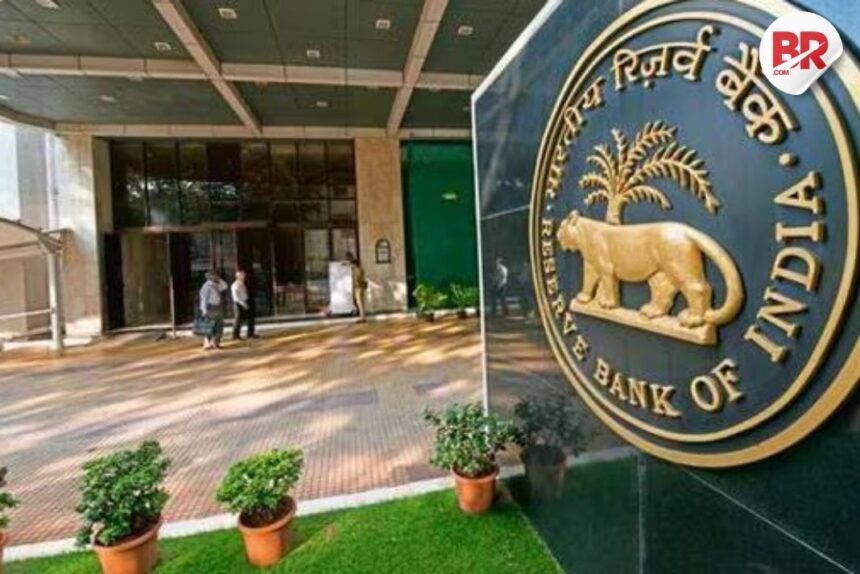
The Reserve Bank of India (RBI) has announced that its floating rate savings bonds will continue to offer an 8.5% interest rate for the period from July 1 to December 31, 2025. This is the same rate as the previous six months (January to June 2025).
How Is the Interest Rate Calculated?
These bonds pay interest twice a year—on January 1 and July 1. The interest rate is linked to another government scheme called the National Savings Certificate (NSC). The floating bond rate is always 0.35% higher than the NSC rate.
Right now, the NSC offers a 7.7% interest, so the RBI bond rate is 7.7% + 0.35% = 8.05%. With compounding and the way the bond is structured, the overall effective rate is 8.5%.
Read more: Anil Ambani Says He’s Shocked by SBI’s ‘Fraud’ Label on Reliance Communications Loan
Important Points About the Bonds:
- Interest Payment: Paid every 6 months—on January 1 and July 1.
- Tax: Interest earned is fully taxable, and TDS (Tax Deducted at Source) will apply if your yearly interest goes above ₹10,000. There’s no tax benefit on investing in these bonds.
- Next Rate Change: The NSC rate will be reviewed again on September 30, 2025. If there’s a change, it will apply to RBI bonds from January 1, 2026.
Key Features of RBI Floating Rate Savings Bonds:
- Minimum Investment: ₹1,000 (you can invest more in multiples of ₹1,000).
- No Maximum Limit: You can invest as much as you want.
- Lock-in Period: These bonds have a 7-year lock-in period.
Can You Withdraw Early?
For most investors, early withdrawal is not allowed. But senior citizens are given some relaxation:
- Age 60–70: Can withdraw after 6 years
- Age 70–80: Can withdraw after 5 years
- Above 80: Can withdraw after 4 years
If it’s a joint investment, and even one of the holders meets the age requirement, the withdrawal benefit applies.
What Happens When You Withdraw Early?
- You can only withdraw on January 1 or July 1 (the interest payment dates).
- You’ll get a penalty—50% of the last 6 months’ interest will be cut.
- You can withdraw after completing the required lock-in based on age.
The RBI’s floating rate savings bonds are a safe investment offering a fixed return of 8.5% for July–December 2025. The interest is paid twice a year and is taxable. There’s no limit on how much you can invest, and senior citizens can exit early with some conditions.
Also See: Elon Musk Loses $12 Billion in One Day After Clash with Donald Trump