Japan is feeling the heat again. In May, its core inflation jumped to 3.7%, the fastest pace in over two years. And it wasn’t a fluke. This is the 39th straight month Japan’s inflation has stayed above the central bank’s 2% target.
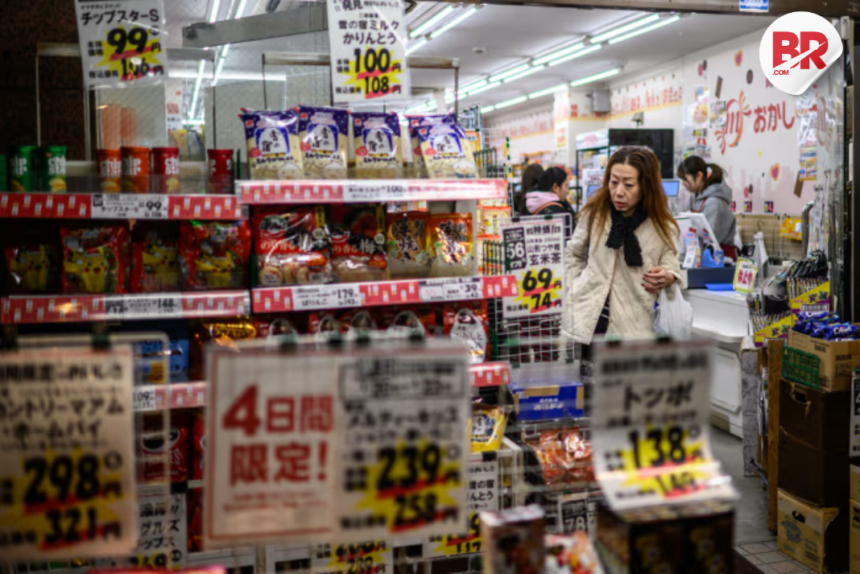
What’s behind the surge? It’s your grocery bill. From rice to chocolate, food prices are climbing fast. In fact, rice prices doubled from last year. That’s no joke for a country where rice is a daily staple.
The Food Price Squeeze
Prices of fresh food can swing wildly, but even excluding those, Japan’s inflation story is intense. Rice balls? Up nearly 20%. Chocolate? Up 27%. And this isn’t just a food story—service prices are rising too as companies pass on labor costs to consumers.
A key measure, which strips out both fresh food and fuel, rose 3.3%—a sign that inflation isn’t just imported. It’s homegrown. The Bank of Japan (BOJ) watches this number closely because it reflects real demand inside the country.
Will the BOJ Hike Rates Again?
The BOJ raised short-term rates to 0.5% earlier this year after ending its massive stimulus policy. Now, inflation is making a solid case for another hike.
But here’s the twist—U.S. tariffs are clouding the picture. With President Trump’s return sparking trade worries, Japan’s economy could take a hit. That’s why the BOJ is moving cautiously.
Even within the central bank, there’s a split. Some board members are warning that inflation could overshoot if they don’t act in time.
“When you strip away the noise, Japan’s inflation is real—and sticky,” said Ryosuke Katagi from Mizuho Securities.
What Happens Next?
Analysts expect inflation in Tokyo—a key early indicator—to ease slightly in June. But not everyone is convinced. Some believe the slowdown will be slow and sticky.
Wages are expected to rise later in 2025, giving consumers some relief. Still, households are feeling the squeeze now. The BOJ hopes rising wages and stable inflation will boost demand.
But until the food price shock cools, the central bank will stay under pressure.
Final Thought
Japan is at a turning point. Inflation is high, trade tensions are real, and the BOJ is stuck between raising rates or protecting growth. Either way, the days of ultra-cheap living in Japan seem to be over.
Also Read Oil Prices Rise 4% This Week Amid Israel-Iran War Fears; Trump’s Next Move in Focus