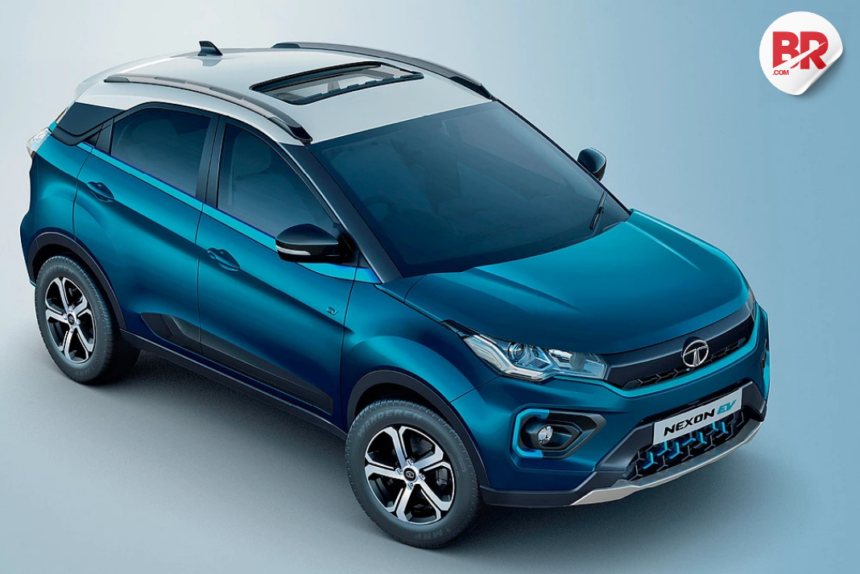
Tata Motors and Jaguar Land Rover (JLR) have just raised a red flag: the EV supply chain isn’t as solid as it looks. In their latest annual reports, both companies openly flagged supply chain vulnerability as a major business risk.
This is the first time an Indian automaker has done so—and it’s a serious reality check.
Why Should You Care?
If you’re dreaming of owning an electric car, this matters. A shaky supply chain could mean:
- Higher prices (if parts get expensive)
- Slower delivery (if parts get delayed)
- Fewer options (if production is scaled back)
Think of it like prepping for a wedding. You’ve got the outfits, the food, the venue—but your jewellery vendor goes AWOL. Suddenly, everything’s off. That’s how dependent EV makers are on certain global suppliers.
What’s the Real Problem?
Even though no one named names, we all know who the “vendor” is—China. The world’s EV supply chain depends heavily on Chinese factories for critical materials like lithium, cobalt, nickel, and ready-to-use battery cells.
If there’s a trade war, a factory shutdown, or geopolitical tension? That supply can vanish overnight. And just like that, your EV dreams stall.
Also Read China’s Rare Earth Export Limits Spark Rush for America’s Only Rare Earth Mine Amid Trump’s Tariffs
What Are Tata Motors & JLR Doing About It?
Thankfully, they’re not waiting around. Here’s the game plan:
- Localization: Build EV parts—especially batteries—right here in India.
- Diversification: Get materials from different countries to reduce over-reliance on China.
- Strategic alliances: Work with other global companies to get tech, talent, and materials.
- R&D investments: Create next-gen batteries that don’t rely on just one or two metals.
How’s the Government Helping?
The Indian government is pushing hard with policies like the Production Linked Incentive (PLI) scheme, designed to boost local EV manufacturing.
They’re also encouraging Indian firms to mine critical minerals abroad and bring them home. It’s not just policy—it’s long-term national strategy.
Also Read India’s Solar Push: PLI Scheme Deadline Likely to Be Extended
So What’s the Bottom Line?
India’s EV market is one of the fastest growing in the world. Tata Motors is already leading the race. But if we want to stay in the race, we need to control our EV supply and reduce dependency on others.
This isn’t just about cars. It’s about energy independence.
It’s time we stop outsourcing our future—and start building it ourselves.
Because the EV revolution should be made in India, powered by India, and for India.
Also Read Indraprastha Gas Diversifies with ₹2,000 Cr FY26 Capex Amid EV Disruption Risks