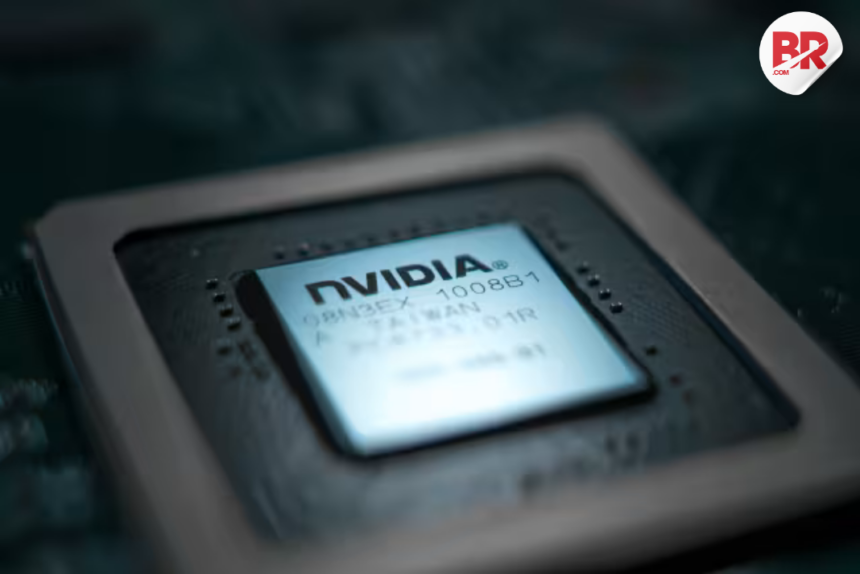
When tech becomes power, chips become weapons — and the US-China tech war just got personal.
The US-China tech war is heating up. In a bold new move, the United States has tightened restrictions on the export of advanced AI chips to China. The goal? To stop these powerful chips from ending up in China’s military or surveillance programs.
This decision, announced by the U.S. Commerce Department, is already shaking the global tech market. It directly impacts major chipmakers like Nvidia and AMD, and could reshape the future of artificial intelligence.
Why Did the U.S. Restrict AI Chip Exports?
The U.S. says this is about national security. AI chips are not just for powering smart assistants or data centers. In the wrong hands, they could drive military technologies like advanced drones, missile systems, or facial recognition for surveillance.
Think of these chips like high-powered engines. While they can run electric cars, they could also power tanks. The U.S. wants to control who gets these engines — and how they’re used.
How Are Nvidia and AMD Affected?
Nvidia confirmed that two of its most advanced chips — the A100 and H100 — are now restricted from being exported to China without a special license. These chips are designed for complex AI tasks and high-performance computing. AMD faces similar limitations on its top-tier products.
Both companies could lose billions of dollars. China is a massive market for them. With these new rules, their sales could take a serious hit.
“This change will not have an immediate impact on our business,” Nvidia said in a recent statement, “but it could affect future development.”
Also Read: Trump Says Chinese Chips to Face National Security Probe; More Tariffs Expected Soon
What Does This Mean for the Global Tech Industry?
These new rules don’t just affect two companies. They ripple across the entire tech supply chain. Here’s how:
- Supply Chain Shakeup: The chipmaking industry relies on global production and shipping. These restrictions may force firms to move operations or find new partners.
- China’s Next Move: Chinese tech companies, such as Huawei, Baidu, and Tencent, heavily rely on U.S. chips for their AI development. Now, they’ll have to accelerate local chip development or look to other countries, such as South Korea or Taiwan.
- Geopolitical Tensions Rise: This isn’t just business. It’s politics. It adds to the growing US-China tech war, where each side is trying to protect its digital future.
- Innovation at Risk: Experts warn that cutting ties could slow down progress. With less collaboration, both countries could face technology gaps.
What’s Next in the US-China Tech War?
No one knows exactly how this will play out. But change is coming fast. Companies will likely:
- Diversify their supply chains
- Build chip factories in safer locations
- Explore alternatives like RISC-V or quantum computing
This move shows how much AI and chips now matter in global power struggles. It’s not just about making money — it’s about shaping the future.
Also Read: US-China Trade War Escalates: Boeing Becomes Beijing’s Latest Target