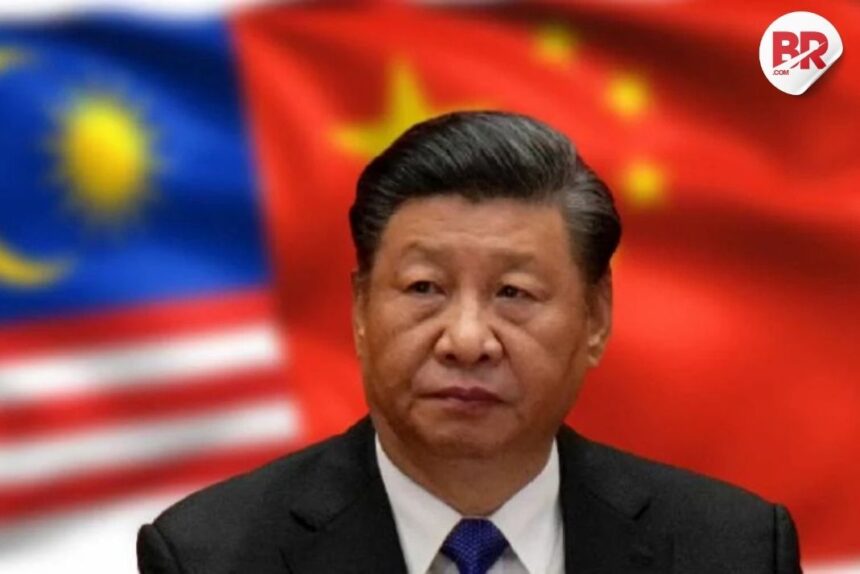
Xi Jinping’s Southeast Asia Visit: Strengthening China’s Regional Trade Ties
In a key diplomatic move, Chinese President Xi Jinping embarked on a visit to Vietnam, Malaysia, and Cambodia, signaling Beijing’s ambition to strengthen regional trade relations. This trip comes at a critical time, as the U.S.-China trade war continues to disrupt global markets. With escalating tariffs and protectionist policies, China is looking to Southeast Asia as a vital region to expand its influence and counteract the economic consequences of the trade war.
Why Xi’s Visit Matters
This isn’t just another diplomatic mission. Xi Jinping’s Southeast Asia visit is part of China’s long-term strategy to solidify its economic dominance in the region. Vietnam, Malaysia, and Cambodia are important members of the Association of Southeast Asian Nations (ASEAN), which is at the heart of China’s plans for trade and regional cooperation. Here’s why this visit is so significant:
- Economic Partnerships: Strengthening ties with these countries opens up opportunities for more trade, investments, and infrastructure projects. These initiatives will help China mitigate the negative effects of U.S. tariffs.
- Regional Influence: By deepening economic ties, China hopes to become a more influential player in Southeast Asia, challenging the dominance of the U.S. and other global powers.
- Belt and Road Initiative (BRI): Xi’s visit also aligns with China’s Belt and Road Initiative, which seeks to create a vast network of trade routes across Asia, Europe, and Africa. This initiative promotes economic integration, infrastructure development, and connectivity.
Also Read: Xi Jinping Dares to Say: No Winners in the Trade War. But Who’s Really Losing?
Key Areas of Focus
During his trip, President Xi highlighted several areas for strengthening bilateral and regional cooperation:
- Trade Expansion: Xi emphasized the need to boost trade volumes and reduce trade barriers to facilitate smoother business exchanges between China and Southeast Asia.
- Investment Opportunities: The visit also aimed to encourage Chinese investments in sectors like infrastructure, technology, and renewable energy, which are essential for Southeast Asia’s development.
- Regional Connectivity: Cross-border infrastructure projects, such as railways, ports, and highways, are key to improving connectivity and making trade more efficient.
- Cultural and People-to-People Ties: Xi stressed the importance of strengthening cultural exchanges, educational collaborations, and tourism to foster deeper ties between China and Southeast Asia.
What’s at Stake?
The stakes are high for China. With ongoing trade tensions between China and the U.S., Southeast Asia presents an opportunity for China to strengthen its economy and ensure long-term growth. These countries have growing economies, strategic locations, and are eager for new trade opportunities.
However, challenges remain. Some countries in the region are wary of China’s growing influence. They may be reluctant to fully embrace China’s economic dominance due to concerns over its geopolitical intentions. Striking the right balance between fostering cooperation and respecting regional sensitivities will be crucial for Xi’s success.
Also Read: Exclusive: Satellite Images Catch China’s Bombers in South China Sea Power Play
A Delicate Balance
China’s approach to economic cooperation with Southeast Asia is part of its broader efforts to navigate the shifting dynamics of global trade. As countries look to diversify their trade relationships and reduce dependence on any single economy, China’s message of cooperation over protectionism is timely.
Xi Jinping’s call for “win-win” outcomes is designed to reassure Southeast Asian nations that China’s rise is not a threat, but rather an opportunity for mutual growth and prosperity.
The Broader Context
Xi Jinping’s Southeast Asia visit is happening against the backdrop of a global economic slowdown. The U.S.-China trade war has disrupted supply chains and caused economic uncertainty, not only in China and the U.S. but globally. In this environment, Xi’s focus on cooperation and openness sends a strong message about China’s commitment to free trade and regional integration.
By rejecting protectionism, China is positioning itself as a leader in the fight for free and open markets, countering the rising tide of nationalism and trade barriers, especially from the U.S.
Looking Ahead
As Xi concludes his visit to Vietnam, Malaysia, and Cambodia, the outcomes of this trip will be closely watched. If successful, it could pave the way for even deeper economic collaborations in Southeast Asia, helping China to secure its place as a key player in the global economy.
However, challenges remain. China must navigate complex regional politics and manage concerns about its increasing influence. How Xi handles these delicate issues will shape the future of global trade.
For more insights on Xi Jinping’s visit and its long-term implications for regional trade, stay tuned for Part 2 of this article.
Also Read: Asian Stocks Surge, But Trump’s Tech Tariff Pause Could Just Be a Temporary Fix