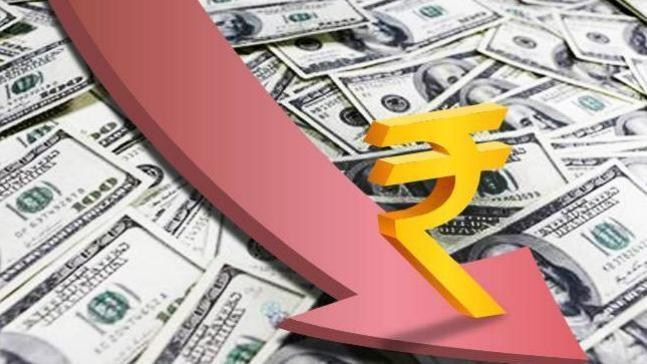
The Story of the Indian Rupee’s Decline
The Indian Rupee has been on a rollercoaster ride lately, and Thursday was no exception. The currency weakened as demand for the U.S. dollar surged, driven by importers hedging their future dollar liabilities. This pressure was further amplified by the Reserve Bank of India’s (RBI) latest foreign exchange (FX) swap announcement, which sent forward premiums tumbling.
At 10:43 a.m. IST, the Indian Rupee stood at 87.07 per U.S. dollar, down from its previous close of 86.9550. Earlier in the day, the currency had shown some resilience, briefly strengthening past 86.90. However, this optimism was short-lived as importers rushed to buy dollars, pushing the rupee lower.
Why Did the Rupee Fall?
- Increased Dollar Demand: Importers were seen actively hedging their future dollar liabilities, creating a surge in demand for the greenback. This is a common practice to protect against potential currency fluctuations, but it puts pressure on the local currency.
- RBI’s FX Swap Impact: The RBI’s recent announcement of a $10 billion three-year buy-sell swap played a significant role in weakening the rupee. This move aimed to increase rupee liquidity in the market but had the unintended consequence of reducing forward premiums. Forward premiums on the three-year swap rate dropped by nearly 25 basis points, while the one-year rate fell by 16 basis points.
- Market Sentiment: Currency traders noted that the rupee’s early gains were unlikely to hold given the weak outlook and the impact of falling forward premiums. The RBI’s FX swap brought in more dollar buyers, exacerbating the pressure on the rupee.
Read More : RIL Growth Potential: Bullish Brokerage Calls Signal Strong Upside
The RBI’s Role in the Currency Market
This isn’t the first time the RBI has intervened in the currency market this year. Earlier, the central bank conducted a 5billionsix−monthswapandanother10 billion three-year swap. However, analysts at Nomura expressed surprise at the size of the latest auction, especially since the previous three-year swap had received only $16 billion in bids.
The RBI’s actions are aimed at managing liquidity and stabilizing the currency. By absorbing external commercial borrowing hedging flows, the central bank effectively reduces the pay flow in the market, which impacts the dollar-rupee dynamics.
Read More : Kalyani Powertrain and Compal Electronics Join Forces to Boost India’s X86 Server Manufacturing
What’s Next for the Rupee?
The Indian Rupee remains highly sensitive to global market trends, RBI interventions, and domestic liquidity conditions. Traders will be closely watching further developments in forward premiums and central bank actions as the currency navigates its current pressure points.
Key Takeaways
- The Indian Rupee weakened due to increased dollar demand and falling forward premiums.
- The RBI’s $10 billion FX swap announcement played a significant role in the rupee’s decline.
- Forward premiums dropped sharply, with the three-year swap rate falling by 25 basis points.
- The rupee’s movement is closely tied to global trends, RBI actions, and domestic liquidity.
FAQs
1. What caused the Indian Rupee to weaken?
The rupee weakened due to increased demand for the U.S. dollar from importers hedging future liabilities and the RBI’s FX swap announcement, which reduced forward premiums.
2. How does the RBI’s FX swap impact the rupee?
The RBI’s FX swap increases rupee liquidity but reduces forward premiums, leading to more dollar buying and pressure on the rupee.
3. What are forward premiums?
Forward premiums are the difference between the spot rate and the forward rate of a currency. A decline in forward premiums makes hedging future dollar liabilities more expensive.
4. Will the rupee continue to weaken?
The rupee’s future movement depends on global market trends, RBI interventions, and domestic liquidity conditions. Traders are closely monitoring these factors.
5. How often does the RBI intervene in the currency market?
The RBI intervenes periodically to manage liquidity and stabilize the currency. This year, it has conducted three FX swaps, including the latest $10 billion three-year swap.