


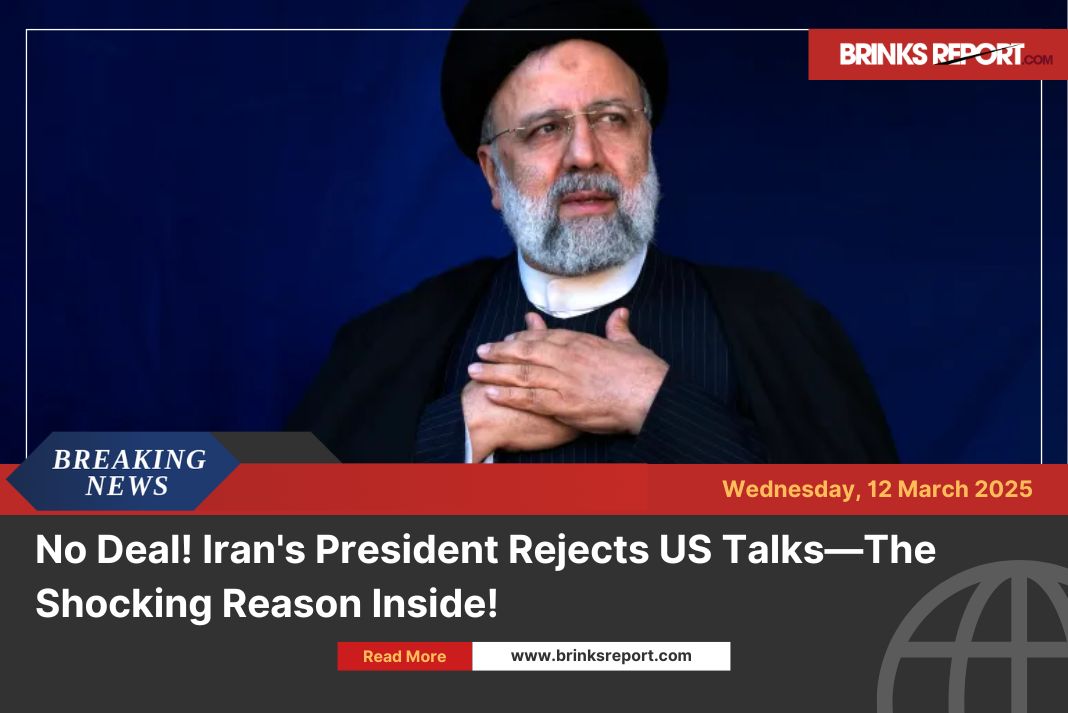
Iran’s President Ebrahim Raisi has made it clear that Iran will not negotiate with the United States under the current conditions. He insists that any talks should be based on mutual respect and without threats. This decision comes at a time when tensions between Iran and the U.S. are high due to disagreements over nuclear policies and economic sanctions.
Why Are Iran and the US in Conflict?
The U.S. and Iran have had a difficult relationship for decades. The issues started after the 1979 Iranian Revolution, which removed the U.S.-supported Shah and led to the formation of the Islamic Republic. Since then, disagreements over nuclear programs, regional influence, and human rights have caused ongoing conflicts.
In 2015, a deal called the Joint Comprehensive Plan of Action (JCPOA) was signed between Iran and world powers, including the U.S. It lifted some sanctions on Iran in exchange for limiting its nuclear program. However, in 2018, the Trump administration withdrew from the deal and reimposed strict sanctions. This move caused Iran to reduce its commitment to the agreement.
The Biden administration has expressed interest in reviving the deal, but negotiations have stalled due to disagreements over sanctions and trust issues.
Why is Iran Refusing Talks?
- Lack of Trust – Iran does not trust the U.S. after it pulled out of the nuclear deal in 2018.
- Sanctions Issue – Iran wants all U.S. sanctions removed before considering any discussions.
- Internal Politics – Many conservative leaders in Iran oppose negotiating with the U.S.
- Regional Influence – Iran believes the U.S. wants to reduce its power in the Middle East.
Also Read: Canada’s Liberal Party Gears Up to Elect New PM—Who Will Lead Next?
What’s Iran’s Next Step?
Iran has said it is open to talking with other countries, including European and Asian nations. President Raisi has promoted a “balanced foreign policy,” focusing on strengthening ties with regional neighbors, China, and Russia. Iran is also increasing economic partnerships with other countries to reduce dependence on Western nations.
What’s Happening Now?
- The U.S. has placed more sanctions on Iran due to its nuclear activities.
- Iran has increased its uranium enrichment, raising concerns among global leaders.
- Iran insists its nuclear program is for peaceful purposes, but many countries remain skeptical.
Read More: China’s Plan to Overcome US Tariffs and Keep Its Economy Strong
What This Means for the World
Iran’s refusal to engage with the U.S. could lead to more instability in the Middle East. While Iran sees this as a way to show strength, it also risks worsening economic struggles and global isolation.
The European Union is encouraging both sides to restart talks, while countries like China and Russia support Iran’s call for lifting sanctions. The situation remains uncertain, and the world is watching to see if Iran and the U.S. can find common ground.

