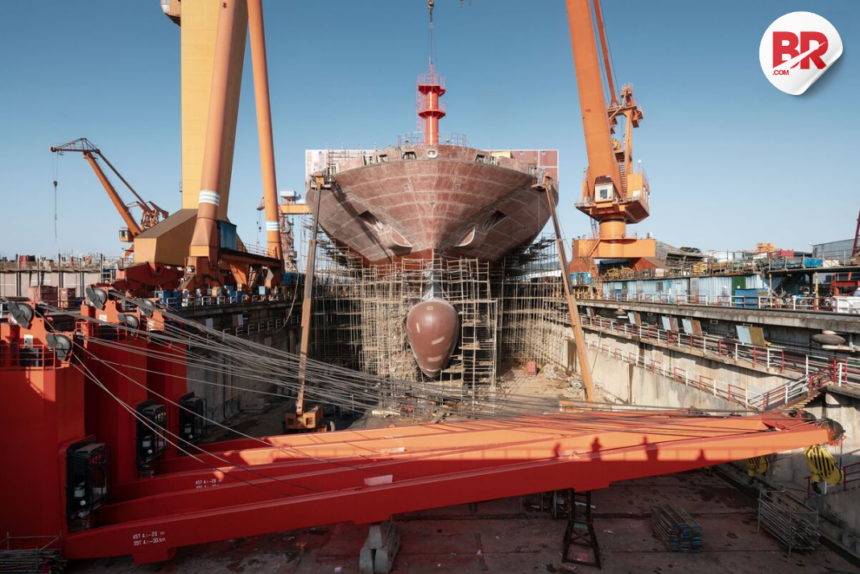
The U.S. has introduced new port fees on vessels connected to China, aiming to curb Beijing’s global shipping dominance and boost American shipyards. The policy, announced by the Trump administration, comes amid trade war tariffs that now exceed 100%.
In a slight retreat, U.S. officials exempted domestic exporters and operators in the Great Lakes and Caribbean regions. But the move has already triggered diplomatic fire—and could ripple through global shipping.
So what does this mean for the average person?
In short: slower deliveries, more expensive goods, and another hit to already rising inflation. If you’ve ever waited weeks for a package stuck at sea, this won’t help.
China’s shipbuilding association didn’t hold back. They called the port fees “short-sighted” and “discriminatory.” The group blamed Washington’s protectionist policies for harming its own shipbuilding industry—and warned of serious global consequences.
“This move will only disrupt supply chains, raise shipping costs, and worsen U.S. inflation,” the China Association of the National Shipbuilding Industry said in a statement.
Even China’s Ministry of Commerce stepped in, calling the fees a threat to fair trade. It promised “necessary countermeasures” and urged Washington to undo its “wrongdoings.”
Also Read China’s Rare Earth Export Limits Spark Rush for America’s Only Rare Earth Mine Amid Trump’s Tariffs
Why port fees matter more than they seem
At first glance, this may sound like a technical squabble over shipping costs. But port fees are no small thing. They shape where ships go, how fast goods move, and how much it costs to stock your shelves—or fill your fridge.
And with the U.S. already struggling with inflation and supply chain disruptions, this adds fuel to the fire.
Imagine charging tolls on every bridge your delivery truck crosses—now multiply that by an entire ocean.
The global shipping chessboard
The U.S. claims the move is about leveling the playing field. China currently builds around 50% of the world’s ships, giving it a powerful edge. American shipbuilders, once world leaders, have lost ground for decades. These new port fees aim to change that by pushing ships away from Chinese yards—and into American ones.
But critics argue this is more like playing economic whack-a-mole. Sure, it might slow China down. But it could also backfire by increasing costs for American businesses and consumers.
“This isn’t about winning. It’s about not losing too badly,” a trade analyst quipped.
Also Read: US-China Trade War Escalates: Boeing Becomes Beijing’s Latest Target
Allies or bystanders?
So far, other countries haven’t jumped in. But that could change if supply chains get tighter and shipping delays become the norm. China has already called on the international maritime industry to resist “unilateralist” U.S. actions.
And here’s the kicker: while the fees target China, the pain may be felt globally.
What’s next?
Expect more tit-for-tat measures. China is unlikely to sit back quietly. This could mean new tariffs, shipping bans, or red tape for American imports. And for consumers, this might translate into costlier products—from smartphones to sneakers.
In a world already stretched thin by conflict and inflation, a shipping standoff is the last thing anyone needs.
Also Read US Supreme Court Pauses Deportation Of Venezuelan Migrants Under Aliens Law