Supreme Court Refuses Paramilitary Deployment in Murshidabad
In a high-stakes legal appeal following reports of political violence, the Supreme Court refused paramilitary deployment in the troubled district. The petition sought central intervention to control escalating unrest, but the Court’s decision puts the onus squarely back on the state government.
Why It Matters: Lives, Law, and Local Control
For the average resident of Murshidabad, this ruling hits close to home. It means local police—often under scrutiny for political bias—are the first and last line of defense. No paramilitary boots, no extra security net. Just the same state forces many say have failed them before.
And while the legal decision may sound procedural, it actually draws a hard line in the sand: The state must step up—or risk the fallout.
Let’s be real—when a fire’s out of control, you don’t ask the matchbox for a solution.
What the Petition Said
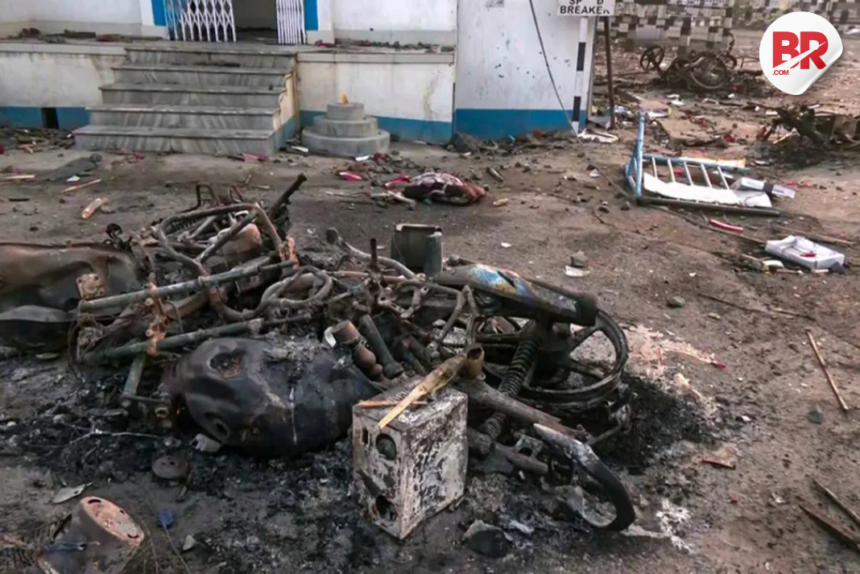
The plea, triggered by violent clashes in Murshidabad, argued that state police were not capable of maintaining peace. Petitioners pointed to property damage, injuries, and fear in local communities. They demanded that the Centre deploy paramilitary troops to stabilize the area.
The underlying accusation? That the local law enforcement was either overpowered—or compromised.
Also Read Waqf Protest Sparks Firestorm After Minister’s Chilling ‘Violence’ Warning
The Supreme Court’s Response
The Supreme Court refused paramilitary deployment, and while its full rationale is still awaited, the reasoning typically involves two key principles:
- State Responsibility First
Courts generally defer to a state government’s assessment unless there’s overwhelming evidence of failure. Law and order is, after all, a state subject under the Constitution. - Avoiding Federal Friction
Allowing central forces without the state’s consent could erode federal balance. It’s a slippery slope from cooperation to control.
So, What Happens Next?
Here’s what this refusal means in practice:
- Increased Accountability: The West Bengal government must now prove it can manage the crisis. Failures will draw legal, political, and public scrutiny.
- Policing Overhaul: Strengthening local law enforcement—through manpower, strategy, and neutrality—has become urgent.
- Community Outreach: Police need to rebuild trust. Town-hall dialogues, quick response teams, and grievance redressal could be part of the mix.
- Swift Justice: Arrests and trials must follow. No accountability, no peace.
Also Read Supreme Court Halts Waqf Appointments—Now Everyone’s Watching the Land Beneath Our Feet
The Bigger Picture: West Bengal and Political Violence
Murshidabad is just one chapter in a longer book. West Bengal has seen repeated outbreaks of election-related violence. From panchayat polls to assembly elections, political clashes have left a scar on its democratic image.
According to the Election Commission’s reports and watchdog groups, such incidents aren’t isolated—they’re systemic. Solving them will require electoral reform, nonpartisan policing, and strong civil society engagement.
The irony? In the world’s largest democracy, a vote too often comes with a body count.
What We’re Really Talking About Here
This case is about more than one district. It’s about a national dilemma: How do we ensure peace without eroding democracy?
By refusing paramilitary deployment, the Supreme Court has pushed for a long-overdue test—can states handle their own fires, or will they always cry to Delhi for a hose?
Also Read Behind the Murshidabad Violence: Why BJP Says Hindus Are Unsafe in Bengal!