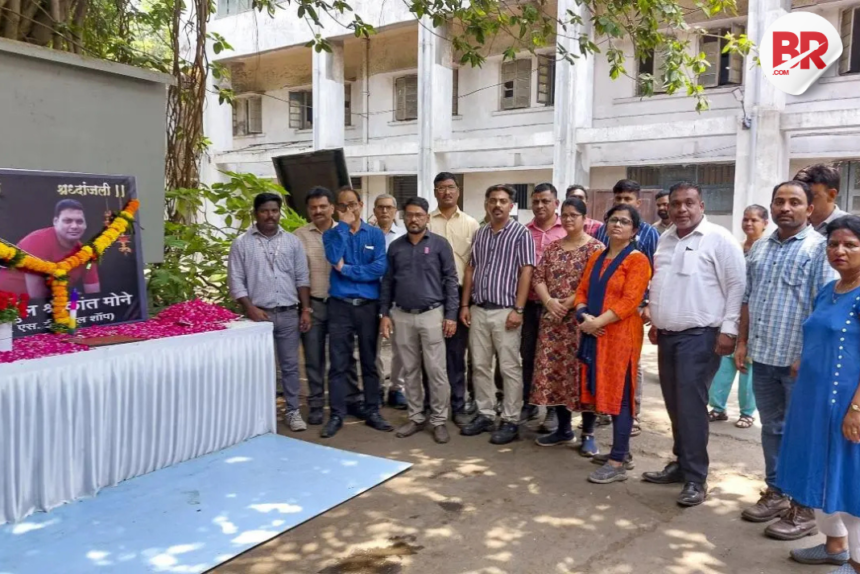
On April 22, 2025, terrorists murdered 26 civilians in the peaceful valley of Pahalgam, Jammu and Kashmir.
Among the dead were Sumit Parmar and his young son Yatish, tourists from Gujarat’s Bhavnagar. Their deaths weren’t just personal tragedies—they were a national wound.
India responded with Operation Sindoor, the Indian armed forces conducted precision strikes on nine terror camps inside Pakistan and Pakistan-occupied Jammu and Kashmir.
Among the targets: Jaish-e-Mohammad’s base in Bahawalpur and Lashkar-e-Taiba’s stronghold in Muridke. It wasn’t just retaliation. It was a message.
“My Uncle and Cousin Didn’t Die in Vain”
Sumit Parmar’s nephew spoke to media shortly after news of the strikes broke. “This is justice,” he said. “I thank the government. I feel proud that my uncle and cousin were not forgotten. I hope this wipes out terrorism completely.”
This sentiment echoed across families of the victims. For many, the pain is fresh. But the strikes brought a sense of closure—and pride. “This wasn’t just revenge. It was about protecting the next generation,” one survivor from the Bhavnagar group said.
Also Read Why PM Modi Named India’s Pahalgam Response ‘Operation Sindoor’
From Arunachal to Gujarat: Grief Met with Grit
Tage Hailyang, an Indian Air Force corporal from Arunachal Pradesh, was in Pahalgam when the attack happened.
His brother, Take Laling, didn’t hold back. “Operation Sindoor is a deadly blow to terror—and to Pakistan. We thank the government. But let our forces stay alert. This is far from over.”
His words reflect the unease in border states and beyond. Tensions are rising, yes—but so is national unity.
The Truth Pakistan Doesn’t Want You to See
While India mourned its dead, Pakistan denied any involvement. Again. Western media cautiously echoed Islamabad’s denial, questioning India’s “escalation.” But here’s the irony: when the West is attacked, they drone entire provinces. When India does it—surgically—it’s labeled “provocative.”
India doesn’t need lectures. Not from countries that stayed silent after 26/11 or Pulwama. This is a nation that bleeds when its people are killed—and strikes back without blinking.
Modi’s India Doesn’t Wait for Global Sympathy
Let’s not pretend this is 1999. Today’s India doesn’t beg for validation at UN desks. It creates facts on the ground. From Balakot to Sindoor, this is a playbook written in steel, not press releases.
And the world is watching.
Global media outlets, even those skeptical of India, acknowledged the scale and precision of the strikes.
This Isn’t Just Payback. It’s Policy.
This isn’t about elections. It’s about doctrine. India’s message is loud: Kill our civilians, and your terror camps won’t exist the next day. Diplomacy has its place. But when diplomacy dies under gunfire in Pahalgam, deterrence takes over.
The “new India” isn’t new anymore. It’s the default.
Final Word: India Leads, Not Pleads
The average Indian doesn’t need war. But we won’t die quietly either. The families of the Pahalgam victims remind us what’s at stake—not just territory or pride, but the right to life without fear.
We’re not asking for sympathy. We’re demanding accountability.
In the words of a local in Pahalgam: “For once, we didn’t just count the dead. We counted the targets taken down.”
And that’s what leadership looks like.
Also Read What are Loitering Munitions? Pakistan Never Saw These Drones Coming