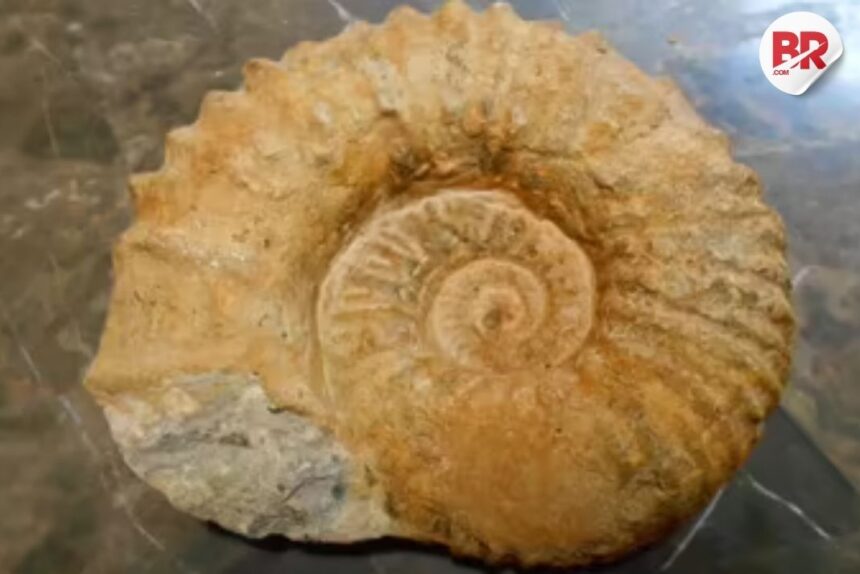
A new study of ancient sea fossils is giving scientists a better idea of how life recovered after the dinosaurs disappeared. These fossils, found deep in ocean rocks, show that even after a major extinction, life can bounce back and ecosystems can stay balanced.
Scientists from the University of Chicago, the Smithsonian Institution, and London’s Natural History Museum studied fossils of sea creatures like clams, mussels, and oysters. They focused on how ocean life changed before and after a giant asteroid hit Earth 66 million years ago—the event that wiped out the dinosaurs.
Ecosystems Survived, Even If Some Species Didn’t
Even though about 75% of all species were wiped out during the mass extinction, most of the important jobs in the ecosystem—like burrowing in the mud, cleaning the water, or sticking to rocks—still continued. The specific species doing these jobs may have changed, but the roles themselves stayed the same.
This surprised scientists. Many believed that after such extinctions, new species would take on completely new roles, or that the few survivors would become very successful. But the fossil evidence doesn’t fully support this. Some species that barely survived became strong later, while others that looked like they would thrive eventually faded out.
Read more: 3,500-year-old grave reveals: change in Bronze Age history around 1500 BC in Central Europe
Lessons for Today’s World
Professor David Jablonski, one of the researchers, said that the focus in today’s conservation efforts shouldn’t only be on saving species, but also on protecting the important roles they play in nature. This way, even if some animals go extinct, ecosystems can still work and adapt.
He added that understanding how nature recovered in the past can help us protect the oceans today—especially since billions of people rely on the ocean for food. Good conservation plans need to think about the bigger picture, not just individual species.