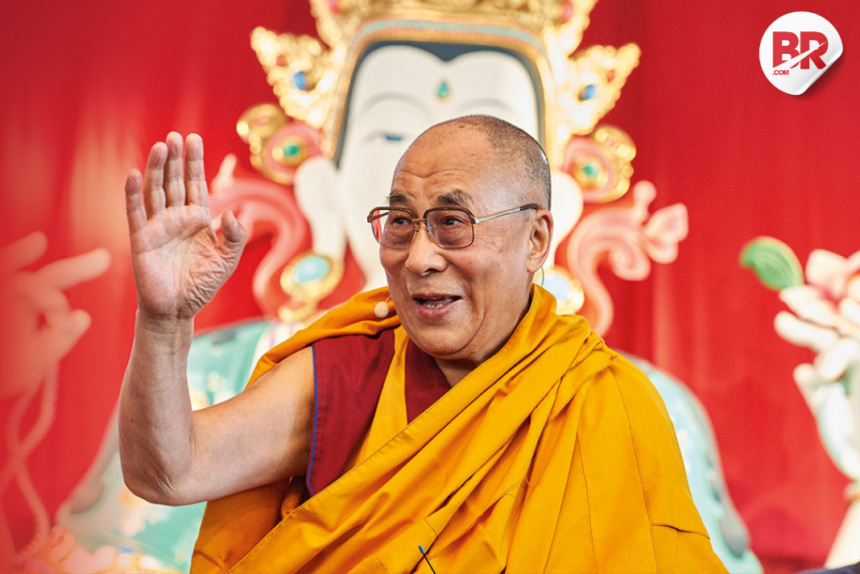
The fight over faith has a new battleground.
This week, the Dalai Lama confirmed that his tradition of reincarnation would continue after his death. It was meant to calm the worries of many Tibetans, who fear for their cultural and spiritual future. But instead, it reignited an old fire—one between faith and political control.
The Dalai Lama, born Tenzin Gyatso, has been living in exile since 1959, when he fled Tibet after Chinese troops took over. He was only 23. Since then, he’s become a global icon of peace and the face of Tibet’s struggle to keep its identity alive.
But China, which calls him a “separatist,” wants the final say in who becomes the next Dalai Lama. On Wednesday, China’s foreign ministry repeated its firm stance: any successor must be chosen through the “golden urn” method, a lottery system from the 18th century, and approved by the Chinese government.
“The reincarnation of the Dalai Lama must be approved by the central government,” said spokesperson Mao Ning. She also claimed that Tibetan Buddhism “was born in China” and must reflect Chinese traditions.
To many Tibetans, this is deeply insulting—and dangerous.
For them, reincarnation is a sacred spiritual process. It is not something the state can control. The Dalai Lama has long made it clear that only he and the Tibetan people can decide how his successor is found. In fact, he once joked that if Beijing tries to appoint its own Dalai Lama, “he won’t be respected, even by dogs.”
The tension here is clear: faith versus force. A 600-year-old tradition is now clashing with 21st-century politics.
And the bigger fear? That China wants to hand-pick a “puppet” Dalai Lama—one who won’t speak out for Tibet.
This isn’t just about religion. It’s about identity, memory, and power. It’s about a people fighting to keep their story alive, while a superpower tries to write a new one.
Faith can’t be factory-made. And no matter how many golden urns Beijing polishes, the soul of a people can’t be stamped with a government seal.
Also Read Dalai Lama Confirms Successor Will Be Chosen, Rejects China’s Role