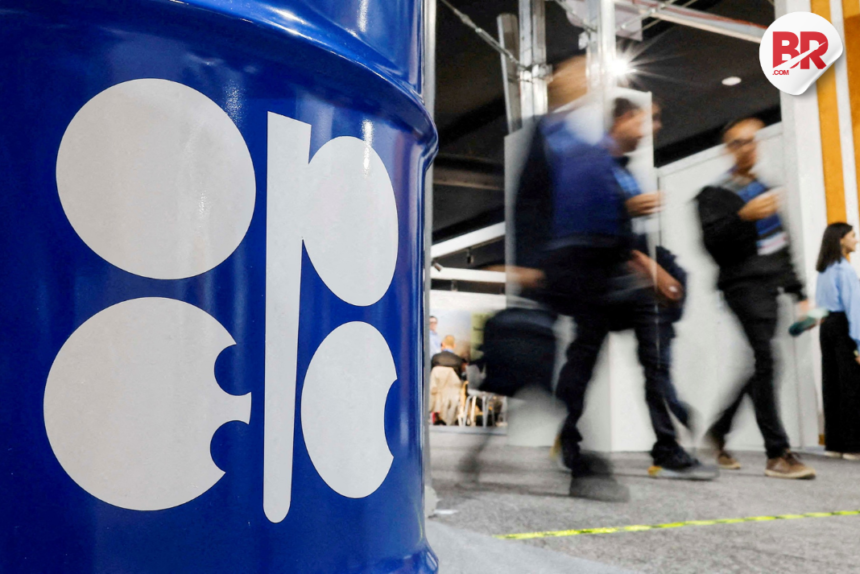
OPEC+ is back in the spotlight. This powerful oil group has decided to raise production by 548,000 barrels per day (bpd) in August. The move comes as global oil markets swing wildly after Israeli and U.S. strikes on Iran. Prices jumped, then fell. Now OPEC+ is stepping in to cool things down.
This decision wasn’t random. It’s the group’s first meeting since those attacks, and all eyes were on how they’d respond. Instead of holding back, they’ve sped up their output hike, increasing supply more quickly than expected.
From Cuts to Comebacks: Why Now?
Since 2022, OPEC+ has been cutting oil production. The goal? To support prices and stop oversupply. But this year, things changed.
U.S. President Joe Biden (not Trump anymore) has been pushing to keep gas prices low, especially in an election year. Also, non-OPEC producers like the U.S. are flooding the market with oil, and OPEC+ doesn’t want to lose market share.
So, the group is flipping its strategy. From tightening to fighting for control again.
Who’s Pumping More?
Eight OPEC+ countries will lead this push:
Saudi Arabia, Russia, UAE, Kuwait, Oman, Iraq, Kazakhstan, and Algeria.
These nations already began cutting back less in April, slowly releasing 2.2 million bpd. With August’s hike, 1.918 million bpd will be restored. Only 280,000 bpd remain to be brought back.
The UAE got extra allowance too, adding another 300,000 bpd.
The Tension Within
Not everything is smooth inside OPEC+. Some countries like Kazakhstan and Iraq pumped more than agreed. This angered members who followed the rules. It created friction within the group.
But OPEC+ sees opportunity. Global demand is steady. Oil stockpiles are low. And with rival producers growing fast, the group is moving to protect its influence.
What’s Next?
The group still holds 3.66 million bpd in deeper cuts. But signs are clear — OPEC+ wants its power back. The next meeting is set for August 3. Everyone’s watching.
In the energy world, decisions made in a boardroom in Vienna ripple across the globe — from fuel stations in Delhi to Wall Street oil bets. OPEC+ is betting on control, not caution.
Also Read Foxconn Posts Record Q2 Revenue, Flags Global and Currency Concerns