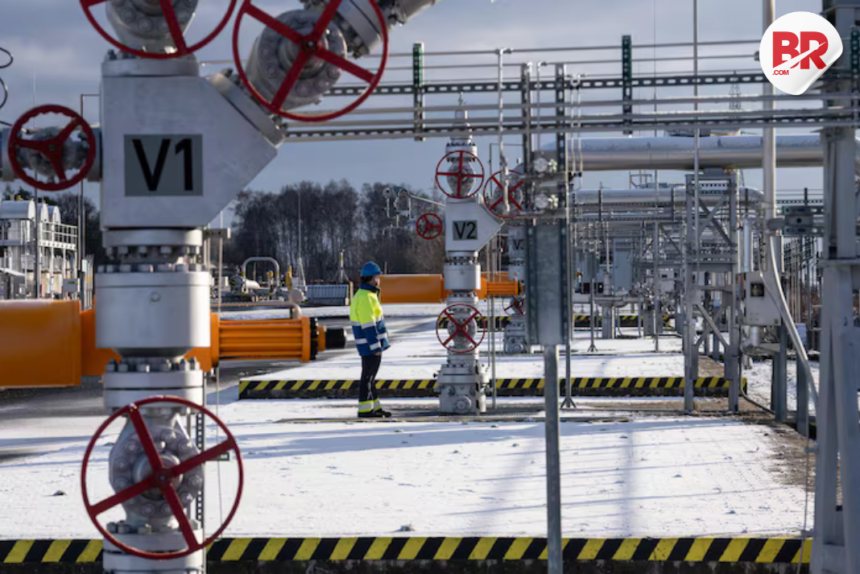
India’s plan to boost liquefied natural gas (LNG) as a transport fuel faces some big hurdles. The industry is calling on the government to cut the GST on LNG vehicles from 28% to 5%, matching electric vehicles (EVs). Alongside this, they want price controls and better fuel station networks to make LNG trucks more popular.
Why does this matter? LNG trucks cost 25-35% more upfront than diesel trucks. So, operators want lower taxes and stable fuel prices before switching.
Right now, LNG prices depend heavily on international markets, where prices can jump unexpectedly. That scares off many truck owners who worry about losing money if prices spike.
The government aims to convert a third of India’s eight million long-haul trucks to LNG in 5-7 years.
To support this, they plan to set up 1,000 LNG stations by 2030. State-owned companies like GAIL have already committed big money—Rs 650 crore—to build fueling points along major highways and mining areas. Other giants like Indian Oil and Bharat Petroleum are also on board.
Also Read India’s GDP Growth Hits 7.4% in Q4FY25, Full-Year Growth Steady at 6.5%
Still, there are only 20 LNG retail outlets today, far too few for mass adoption. Without enough fuel stations, truck operators hesitate to switch. Plus, only a handful of vehicle makers such as Tata Motors and Ashok Leyland offer LNG trucks.
Here’s the simple truth: LNG fuel costs Rs 50-60 per kg, much cheaper than diesel’s Rs 85-95 per litre.
This means operating costs go down once you own the vehicle, but the high upfront cost and fuel station scarcity block the road ahead. It’s like buying a fancy coffee machine that saves you money but has no nearby coffee beans to use.
Experts from Crisil Intelligence say the market needs clear policies and partnerships to share risks. They suggest government funding support, pooled fleet buying to create demand, and faster infrastructure rollout on transport corridors.
India wants natural gas to make up 30% of its energy mix by 2030, up from just 6-7% now. LNG in transport is a big piece of that puzzle—but only if prices fall, taxes ease, and filling stations pop up everywhere.
In short: cut the GST, stabilize prices, build more stations—and watch LNG trucks hit the highways.
Also Read Suzlon Energy Shares Jump 11% as Q4 Profit Rises 365% to ₹1,182 Crore