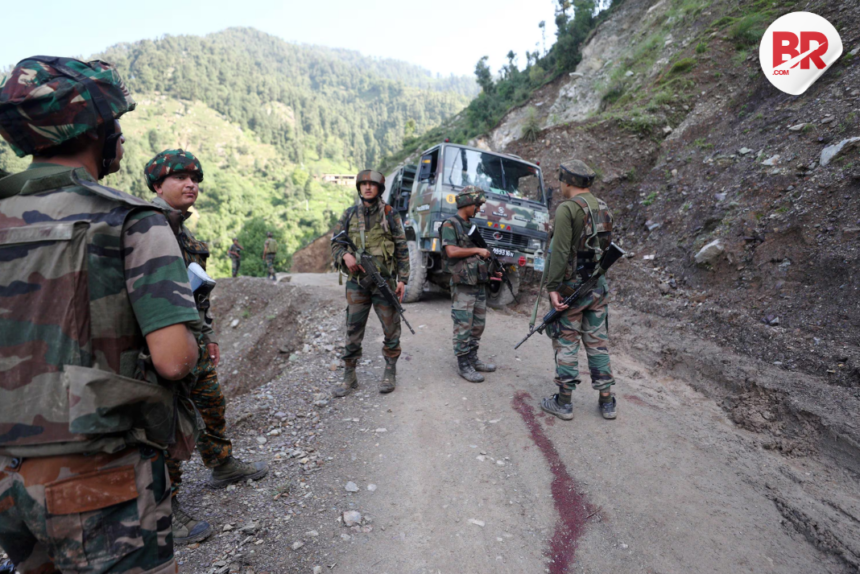
Kashmir terrorism isn’t just a political phrase. It’s a reality that has haunted the region for over a decade. Since 2010, the Valley has witnessed bombings, shootings, and ambushes—each one leaving scars on the land and its people.
Here’s a brief timeline of major terrorist attacks:
- 2010 – Srinagar Grenade Attack: Militants hurled grenades at security forces, killing civilians and injuring tourists.
- 2013 – Hyderpora Suicide Attack: Militants targeted a CRPF convoy near Srinagar. Five jawans died.
- 2016 – Uri Attack: Four terrorists stormed an Indian Army base, killing 19 soldiers. India responded with surgical strikes.
- 2017 – Amarnath Yatra Attack: Seven Hindu pilgrims were gunned down while returning from the Amarnath cave shrine.
- 2019 – Pulwama Bombing: A suicide bomber killed 44 CRPF personnel. This led to India’s airstrike on Balakot.
- 2021 – Sopore Civilian Killings: Several civilians were caught in crossfire between militants and forces.
- 2023 – Rajouri IED Blast: Militants used IEDs to target army vehicles, leading to multiple fatalities.
- 2025 – Pahalgam Massacre: In one of the worst attacks in years, gunmen killed 12 tourists, triggering national outrage.
These aren’t just incidents—they’re turning points. They’ve affected every Kashmiri household and reshaped India’s internal and foreign policy.
What It Means for Everyday People
Imagine living in a place where school closures aren’t about snow—but about bullets. Where family trips can turn into funerals.
In Kashmir, fear walks before people do. Locals hesitate to host tourists. Parents live in fear of their children joining militant groups. And soldiers operate on alert—every second, every step.
For the rest of India, Kashmir terrorism feels like a never-ending heartbreak. A CRPF jawan killed in Pulwama could be from a small village in Bihar. His parents might still be waiting for his call.
Economic Wounds That Don’t Heal
After every attack, Kashmir’s economy suffers a blow. Tourism drops instantly. In 2025, after the Pahalgam shooting, hotel bookings fell by over 70% within days.
Shikara rides stop. Local guides lose work. Carpet sellers shut shops.
And it’s not just Kashmir. India spends billions more on defense after such attacks. That’s money not spent on healthcare or schools.
Also Read Pahalgam Terror Attack: “They Will Not Be Spared,” Vows Modi After Emergency Return
Psychological Aftershocks
Kashmiris aren’t just survivors—they’re walking trauma patients. PTSD runs deep among locals, police, and soldiers. Many children in areas like Pulwama or Baramulla don’t know a life without checkpoints or sirens.
The constant presence of fear rewires everyday life. And yet, the spirit of the Valley persists—shopkeepers reopen, teachers return, and kids play cricket between curfews.
The Political Tug-of-War
Every attack becomes political fuel. Some leaders cry for peace, others for vengeance. Dialogue stalls. Blame games begin.
India and Pakistan trade words—and sometimes more. After Pulwama, India conducted airstrikes in Balakot, Pakistan. It brought the two nations to the brink of war.
And while world leaders issue statements, everyday Kashmiris brace for the next headline.
Where Do We Go from Here?
There is no single fix—but several steps can help:
- Expand education and counter-radicalization at the village level.
- Offer mental health aid to victims and security forces.
- Ensure safety for tourists through better intelligence.
- Restart honest dialogue between communities and leaders.
Peace won’t come from silence. It will come from empathy, action, and accountability.
A Valley Still Waiting for Peace
Kashmir is more than a headline. It’s a home, a hope, and a history in motion. Terrorism in Kashmir has broken families, shaken economies, and tested national unity.
But Kashmiris endure. India endures. The path to peace may be uphill—but every step matters.