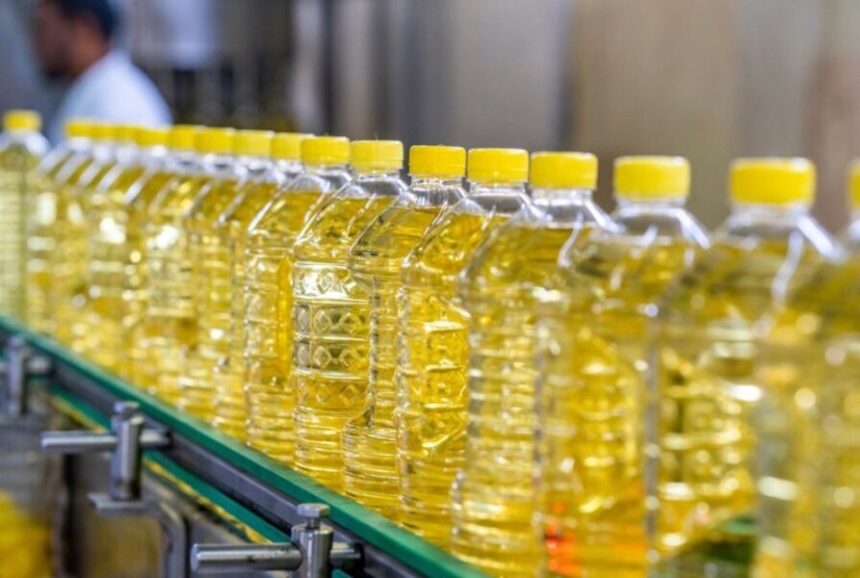
Weill Cornell Medicine researchers link a common fatty acid in seed oils to faster cancer growth, urging dietary changes for high-risk individuals.
Health experts are calling for a reassessment of dietary habits after new research revealed a concerning connection between seed oils and aggressive breast cancer. A study from Weill Cornell Medicine in New York found that linoleic acid, an omega-6 fatty acid abundant in seed and vegetable oils, can accelerate the growth of triple-negative breast cancer (TNBC)—a particularly aggressive form of the disease.
Published in March 2025, the study highlights how linoleic acid activates cancer-promoting pathways, raising concerns about dietary choices for those at high risk. TNBC accounts for 10-15% of breast cancer cases and has a five-year survival rate of 77%, compared to over 90% for other subtypes.
Researchers now urge personalized nutrition strategies and updated dietary guidelines to help mitigate risks.
How Seed Oils May Speed Up Cancer Growth
The study discovered that linoleic acid binds with a protein called FABP5, triggering the mTORC1 pathway—a key driver of cancer cell growth. In experiments, tumors in mice fed a high-linoleic acid diet grew 300% faster than those in control groups.
Dr. John Blenis, lead researcher, explains: “This isn’t about cutting out all omega-6 fats, but about understanding their impact. For TNBC patients or those with genetic risks, even everyday cooking oils may need reevaluation.”
The team analyzed 150+ tissue samples, finding FABP5 overexpression in 60% of TNBC cases, compared to just 15% in hormone-receptor-positive tumors.
Why This Matters Now: Rising Seed Oil Use & Conflicting Health Advice
The findings come as global seed oil consumption skyrockets—soybean oil use has tripled since 2000. While organizations like the American Heart Association promote omega-6s for heart health, this study adds to concerns about their inflammatory effects.
Dr. Lisa Coussens, President of the American Association for Cancer Research, says: “We need tailored dietary advice—what’s good for the heart may not be ideal for cancer prevention.”
Nutritionists recommend balancing omega-6 and omega-3 intake, as modern diets often have a 16:1 ratio (the ideal is 4:1). In India, traditional mustard oil (low in linoleic acid) is increasingly replaced by blended vegetable oils (50-60% linoleic acid), raising concerns.
Who Should Adjust Their Diet? Expert Recommendations
The study mainly applies to TNBC patients and high-risk individuals, not the general population. Key advice includes:
✅ Personalized Nutrition: TNBC patients should discuss olive or coconut oil alternatives with their doctors.
✅ Balance Fats: Increase omega-3s (walnuts, flaxseeds, fatty fish) to counter omega-6s.
✅ No Extreme Cuts: Linoleic acid is still essential—complete elimination can cause deficiencies.
✅ Clearer Labels: Advocacy for linoleic acid content disclosure on oil packaging.
✅ More Research: Larger human trials are needed to refine guidelines.
The Bigger Picture: Science, Diet, and Cultural Habits
This research highlights the need for evidence-based dietary guidance that balances new scientific insights with cultural food practices. While the findings are concerning, experts caution against panic—instead, they call for informed, individualized choices.
What’s the best way to communicate dietary risks without causing unnecessary fear? Share your thoughts on fostering a healthier, more informed society.