


India’s Air Quality Crisis: Six Cities Where Breathing is a Challenge
Imagine stepping outside and feeling like the air itself is working against you. For millions in India, this isn’t a dystopian fantasy—it’s reality. According to the World Air Quality Report 2024, six Indian cities are among the world’s most polluted, with Byrnihat in Assam topping the list. This alarming trend highlights a growing public health emergency that demands immediate attention.
The Grim Reality: What the Numbers Say
The report reveals that India dominates the list of the world’s most polluted cities. Byrnihat, followed by Delhi, Kolkata, and Mumbai, are choking on dangerously high levels of PM2.5—tiny particles that can penetrate deep into our lungs and even enter our bloodstream. These levels often exceed the World Health Organization’s (WHO) safe limits by several times, making the air a silent killer.
Why is India’s Air So Toxic?
The reasons behind India’s air quality crisis are complex but interconnected:
- Stubble Burning: Farmers in Punjab and Haryana burn crop residue, releasing toxic smoke that blankets northern India.
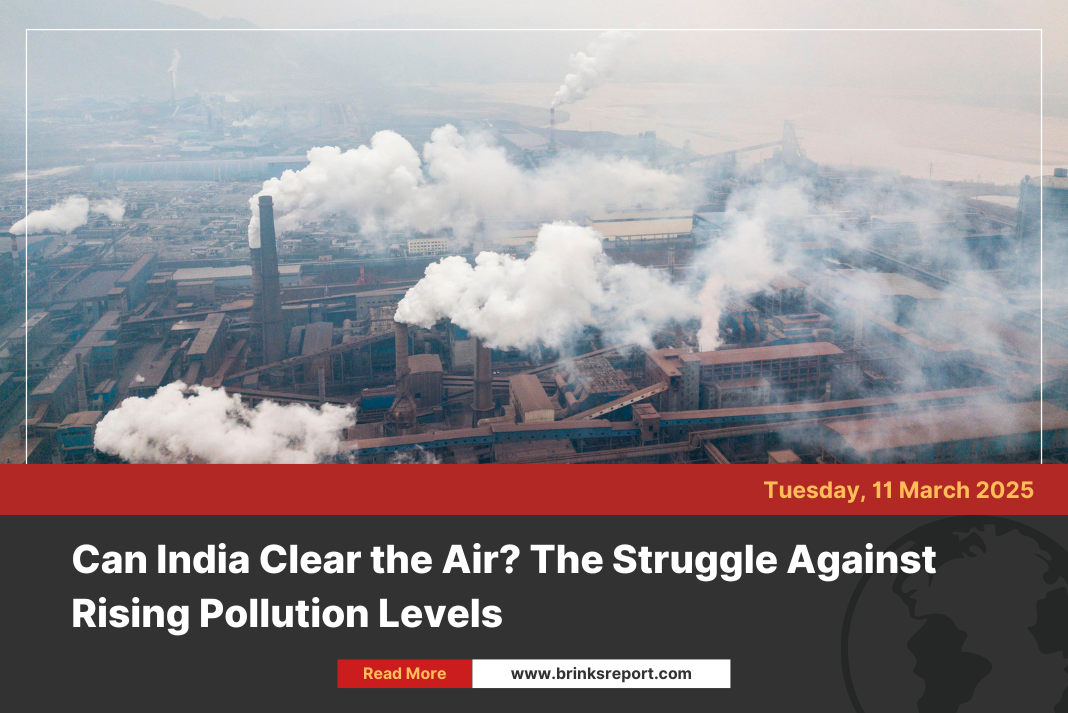
- Industrial Emissions: Factories and power plants spew pollutants, often unchecked due to lax regulations.
- Vehicular Pollution: With more cars on the road and inadequate public transport, exhaust fumes are a major contributor.
- Construction Dust: Unregulated construction activities add to the haze of particulate matter.
- Weather Woes: Low wind speeds and temperature inversions trap pollutants, making the air even worse.
Also Read: UPI Goes Global: India’s Vision for Seamless Cross-Border Transactions
The Health Toll: A Silent Epidemic
Air pollution isn’t just an environmental issue—it’s a health crisis. Studies show it causes 1.7 million premature deaths annually in India. The effects are devastating:
- Respiratory Issues: Asthma and COPD are on the rise, especially among children and the elderly.
- Heart Problems: Pollutants increase the risk of heart attacks and strokes.
- Lung Cancer: Even non-smokers are at risk due to prolonged exposure.
- Impact on Children: Stunted lung growth and frequent infections are becoming common.
- Maternal Health: Pregnant women face higher risks of miscarriage and low birth weight babies.
What’s Being Done?
The Indian government has launched several initiatives to tackle the crisis:
- National Clean Air Programme (NCAP): Aims to reduce pollution levels in 102 cities by 20-30% by 2024.
- Graded Response Action Plan (GRAP): Implements emergency measures during peak pollution periods.
- Clean Energy Push: Solar and wind energy are being promoted to reduce reliance on fossil fuels.
- Electric Vehicles (EVs): Incentives are encouraging people to switch to cleaner transport options.
Also Read: Can a Motorcycle Save the Planet? Meet Yamaha’s FZ-S FI Hybrid!
What Can You Do?
While systemic change is crucial, individual actions matter too:
- Use Public Transport: Reduce your carbon footprint by opting for buses, trains, or carpooling.
- Avoid Burning Waste: Say no to burning leaves or garbage.
- Wear Masks: Protect yourself with a good-quality mask during high pollution days.
- Plant Trees: Every tree planted helps absorb pollutants and clean the air.
- Support Clean Energy: Consider solar panels or other renewable energy sources for your home.
Also Read: The Rs 49,000 Crore Project That Could Change India’s Energy Landscape
A Call to Action
India’s air quality crisis is a daunting challenge, but it’s not insurmountable. By working together—governments, industries, and individuals—we can turn the tide. Cleaner air means healthier lives, and it’s a goal worth fighting for.
So, the next time you step outside, take a deep breath and ask yourself: What can I do to make the air cleaner for everyone?

