


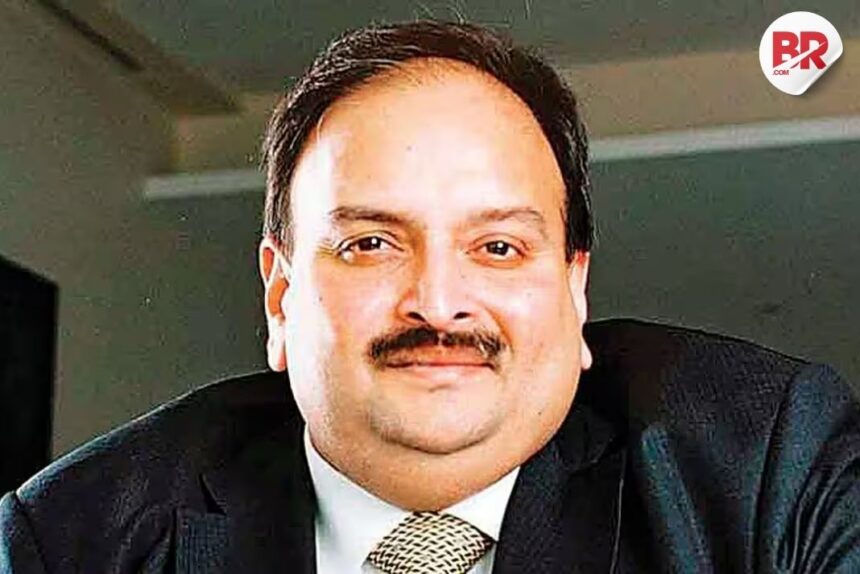
Mehul Choksi’s Arrest and India’s Extradition Efforts
Mehul Choksi’s name has been at the center of one of India’s most infamous financial scandals. Recently, his arrest has once again put the spotlight on India’s efforts to bring back economic offenders like him. Although his arrest did not lead to immediate extradition, the case highlights the difficulties India faces in retrieving fugitives from foreign countries.
Choksi and his nephew, Nirav Modi, are the key figures behind the Rs 13,850-crore scam involving Punjab National Bank (PNB). Nirav Modi is currently held in a London prison while he fights extradition. Mehul Choksi, on the other hand, has been a fugitive for several years. His capture brought hope to many who believed that the process of extraditing him back to India would be straightforward. However, legal battles and various hurdles have delayed this process, showing how complicated extraditions can be.
The PNB Scam and the Flight of Fugitives
The Punjab National Bank scam is one of the largest financial frauds in India’s history, with a value of approximately Rs 13,850 crore. Nirav Modi and Mehul Choksi were accused of orchestrating the scam, using fake letters of undertaking (LOUs) to defraud the bank. After the scam was exposed, both men fled India, sparking an international manhunt. While Nirav Modi remains behind bars in the UK, Choksi’s long-running escape from justice has drawn attention to the obstacles in extraditing economic criminals.
The arrest of Mehul Choksi was initially seen as a step toward justice, but the journey toward his return to India has been far from simple. Legal technicalities and diplomatic concerns have prolonged the process, making it clear that extraditing fugitives is never an easy task.
The Extradition Process: A Complex Web
Extradition involves a series of legal steps, international agreements, and negotiations. The process is never as straightforward as it seems. Here’s why:
- Extradition Treaty: Does India have a treaty with the country where the fugitive is located? This is the first hurdle.
- Legal Systems: Different countries have different legal procedures. Extradition must follow the legal system of the country where the fugitive is found.
- Evidence and Charges: India needs to provide enough evidence to support the charges against the fugitive and prove that they would get a fair trial in India.
- Human Rights Concerns: The country must be assured that the fugitive’s rights will be protected if they are extradited.
These factors create a complicated web that delays or even blocks the extradition process.
India’s Successes and Setbacks in Extradition
India’s track record in extraditing economic fugitives has been mixed. Some cases, like that of Christian Michel, who was extradited from the UAE, offer hope that justice can be served. However, high-profile cases like Vijay Mallya’s have shown that even with legal backing, the process can stall.
Extradition, in these cases, often involves navigating through bureaucratic challenges and handling complicated international relations. The fact that Mehul Choksi’s case is still ongoing demonstrates how intricate these matters can be.
Also Read: Tycoon on the Run: Mallya Loses £1B Bankruptcy Battle in UK
Why Extradition Matters
Extraditing fugitives like Mehul Choksi is essential for several reasons:
- Justice: It ensures that those accused of major financial crimes face the justice system in India.
- Deterrence: It sends a clear message that economic crimes will not go unpunished, no matter where the criminals flee.
- Asset Recovery: Extradition may also help recover the stolen wealth, which is vital for restoring public trust in financial institutions.
- Faith in the System: It reassures the public that the legal system is working to bring criminals to justice, even if they have fled the country.
The Road Ahead
India’s ongoing pursuit of fugitives like Mehul Choksi reflects its determination to tackle financial crimes. However, the path to extradition remains challenging. Strengthening international cooperation, improving the legal framework, and addressing loopholes in the system are crucial for ensuring that economic offenders are brought to justice. The Mehul Choksi case, and others like it, serve as constant reminders of the long road ahead.

