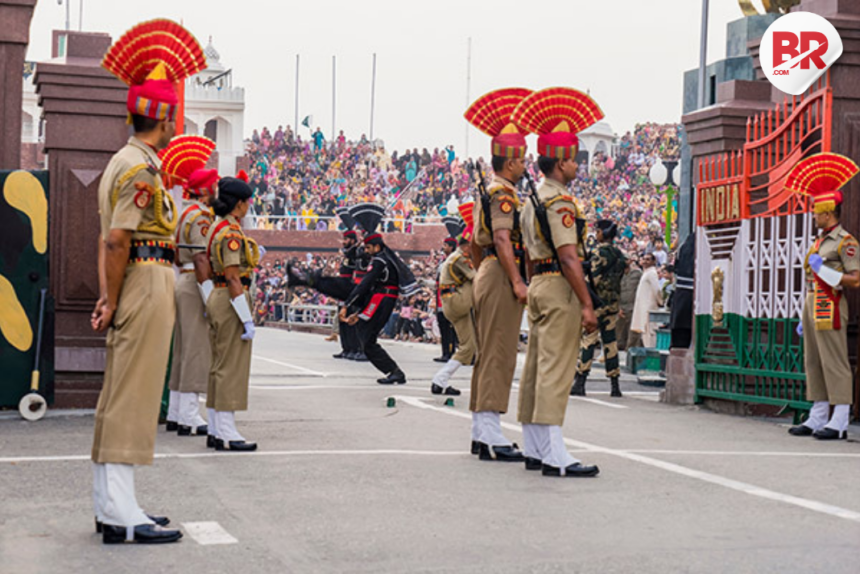
On April 23, the Attari border closure abruptly brought a critical trade link between India and Afghanistan to a halt. This key land route, which sees regular movement of goods ranging from dry fruits to pharmaceutical products, now stands frozen—its silence echoing across warehouses, supply chains, and roadside eateries alike.
This isn’t just a diplomatic pause. It’s a logistical headache and an emotional gut punch rolled into one.
What This Means for People and Profits
Let’s talk impact. For exporters, the Attari route is a lifeline. From Indian onions bound for Kabul to Afghan carpets heading to Delhi showrooms, the border closure disrupts more than cargo—it’s delaying dreams and derailing incomes.
Imagine your goods are stuck mid-transit, perishable items starting to rot, and alternate air freight options costing twice as much. That’s the daily stress for countless traders now checking border news instead of tracking deliveries. Local transporters, truck drivers, and border town vendors—all feel the heat.
Even a few days of shutdown can mean losses worth crores, according to the Federation of Indian Export Organisations (FIEO). And if prolonged, this closure could drive businesses to reroute via Iran or Central Asia, cutting India out of the corridor entirely.
Also read After Pahalgam Attack, India Sends Diplomat Packing—But Is This Just the Beginning?
Why the Border Closed—And What We Know So Far
Officially, the reason behind the closure remains vague. Some cite heightened security concerns, while others whisper about diplomatic frost over border incidents. The Attari-Wagah crossing, which lies on the India-Pakistan frontier, has always been sensitive—both symbolically and strategically.
But here’s the frustrating part: the more unclear the reasons, the more difficult it is for businesses to plan ahead. As one trader in Amritsar put it, “You can reroute goods. You can’t reroute uncertainty.”
The Beating Retreat: Culture Paused
The closure doesn’t just affect trade. It’s taken a cultural casualty too.
The Beating Retreat ceremony, the thunderous, high-kicking flag-lowering performance at sunset, has been called off until further notice. This ceremony, jointly conducted by Indian and Pakistani soldiers, attracts hundreds of tourists daily. It’s part theatre, part diplomacy, and all heart.
Hotels in Amritsar report a 40% drop in bookings since the suspension. Tour guides, local vendors, and souvenir shops—who rely on the ceremony crowd—are suddenly without footfall.
It’s a rare tradition where nationalism meets neighborly rivalry, complete with choreographed stomps and dramatic salutes. Losing this, even briefly, is like pausing the final scene of a long-running play.
Also Read Indore Resident Shot Dead in Pahalgam for Identifying as Christian
What’s Next: Trade, Talks, and Tension
Here’s what to expect in the coming days:
- Diplomatic backchannels will buzz, as India and Pakistan seek to de-escalate tensions and reopen the corridor.
- Security checks will tighten—cargo will face longer inspections when the border does reopen.
- Trade may shift to sea or air routes, which are costlier but more stable.
- Businesses will remain jittery, unsure if this is a temporary glitch or the start of a longer freeze.
This moment reminds us how fragile cross-border connectivity really is. The Attari border closure isn’t just a line on the map—it’s a lifeline for economies and emotions alike.
We often talk about borders as divides. But here, the divide connects. And when that connection breaks, the impact is both practical and profoundly personal.
Also Read Modi Hai To Mumkin Hai: “Never Again” How Modi’s India Responded to Pahalgam Terror