In just 25 minutes, the Indian Armed Forces launched 24 precision missile strikes on nine terrorist facilities across Pakistan and Pakistan-Occupied Kashmir (PoK). It wasn’t just a retaliation—it was a declaration: India will no longer tolerate attacks on its soil.
The bold offensive, named Operation Sindoor, came in response to the Pahalgam terror attack on April 22. Instead of chasing foot soldiers, India aimed straight at the masterminds. Lashkar-e-Taiba, Jaish-e-Mohammed, and Hizbul Mujahideen—these names are no longer hiding behind borders.
India’s Message to the World: We Decide the Rules Now
For the average Indian, this isn’t just another cross-border strike. It’s reassurance. It’s proof that India has shed the skin of strategic restraint and embraced strategic precision.
We’re not the same country from a decade ago. The same old pattern—terror attack, condemnation, and inaction—has been broken.
This time, we didn’t wait for global sympathy. We acted.
Operation Sindoor: The Details the World Can’t Ignore
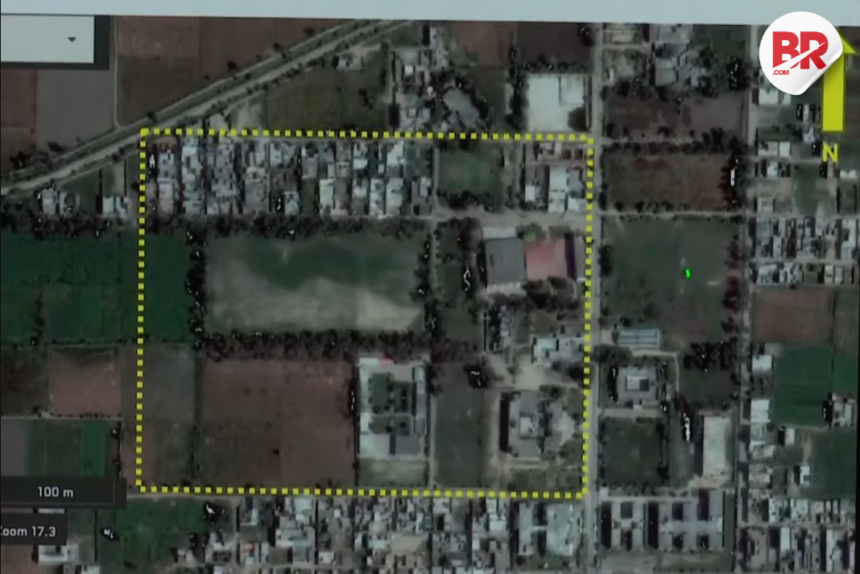
The Indian military struck nine key terrorist facilities—four in Pakistan (Bahawalpur, Muridke, Sarjal, Mehmoona Joya) and five in PoK (Muzaffarabad, Kotil, Gulpur, Bhimber, Barnala).
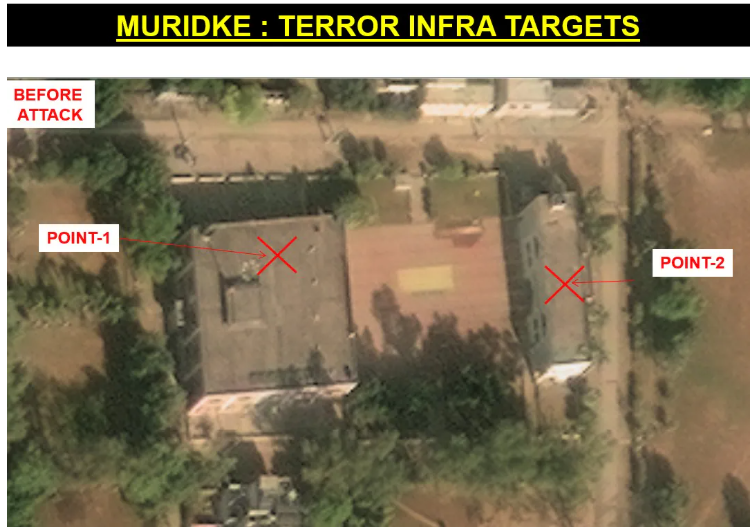
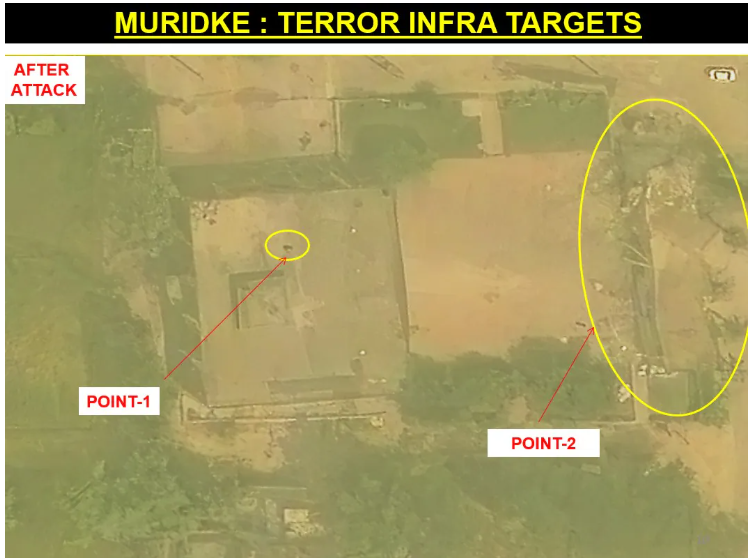
Before and after pictures of Operation Sindoor in Muridke – Point 1 and 2
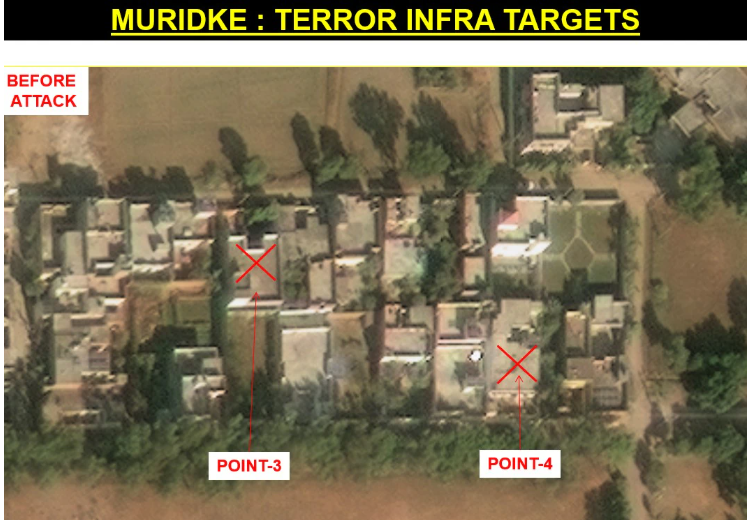
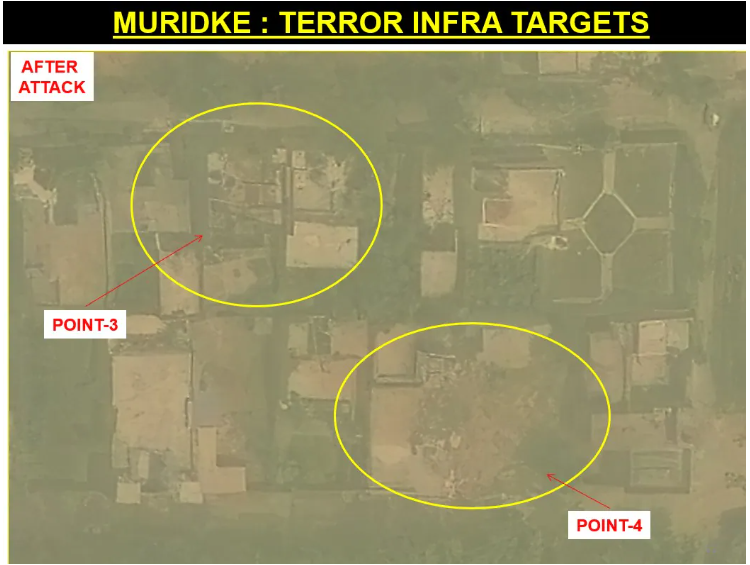
Before and after pictures of Operation Sindoor in Muridke – Point 3 and 4
Bahawalpur wasn’t just any target. It’s the headquarters of Jaish-e-Mohammed, the group responsible for the 26/11 Mumbai attacks. A terrorist sanctuary that had enjoyed years of protection—until now.
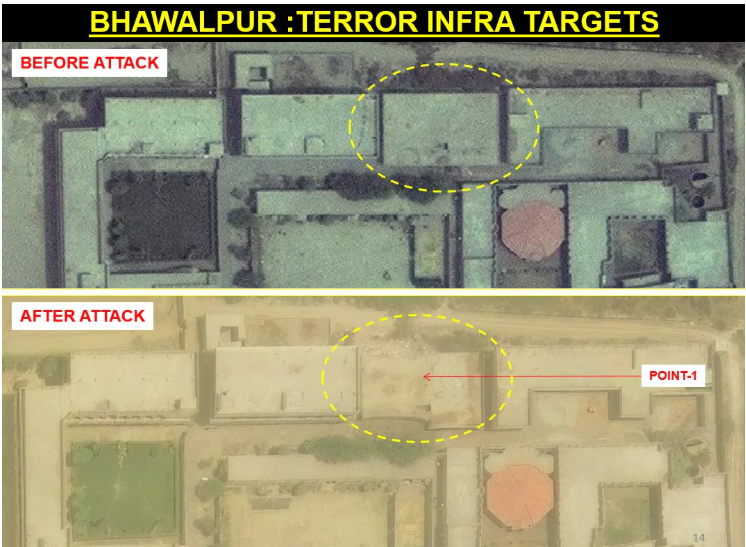
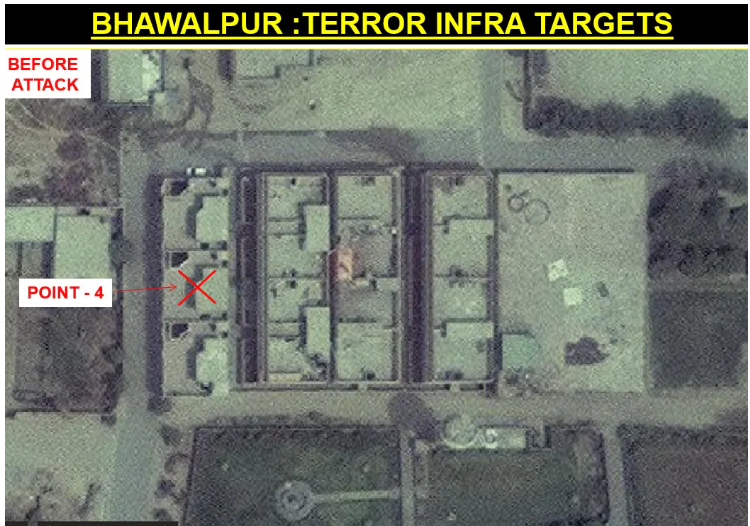
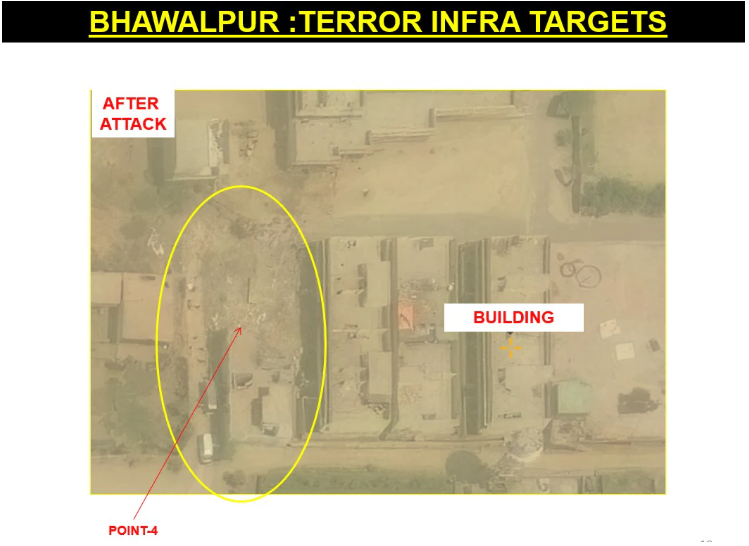
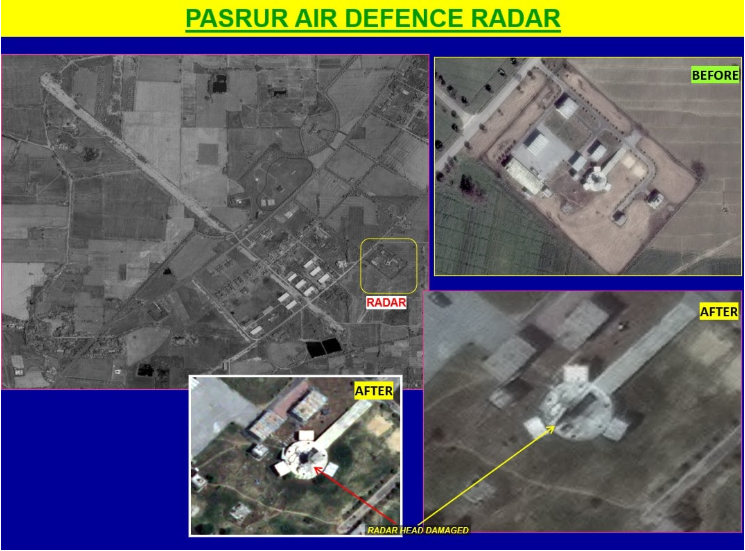
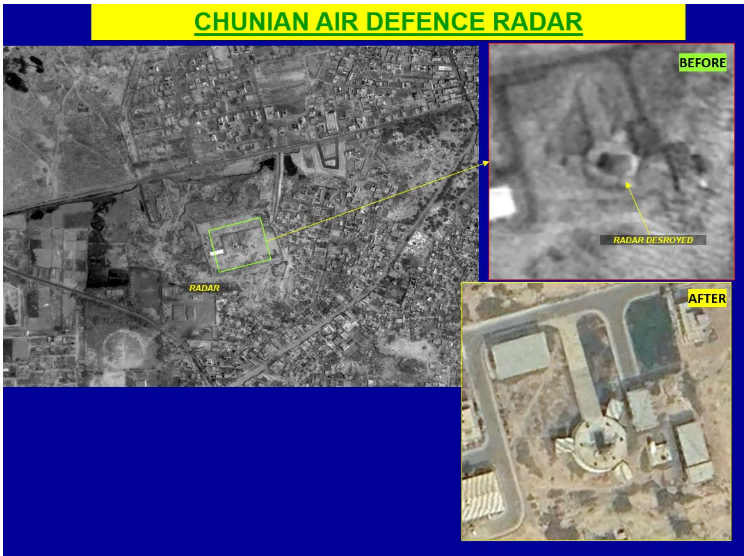
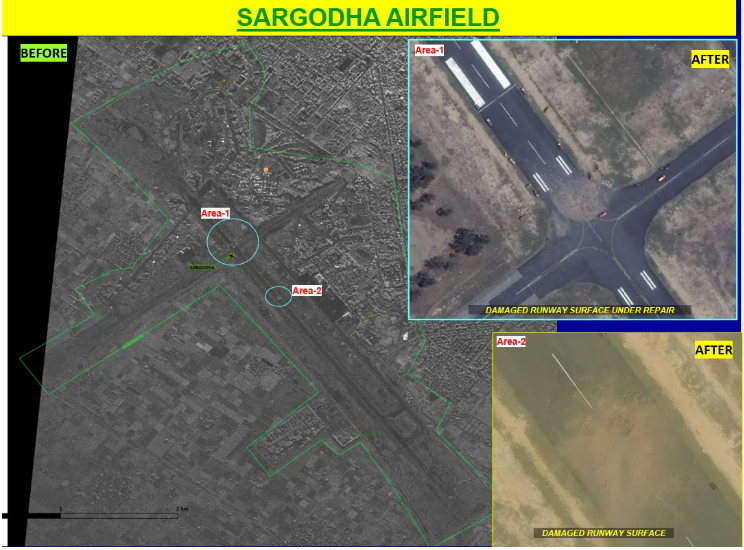
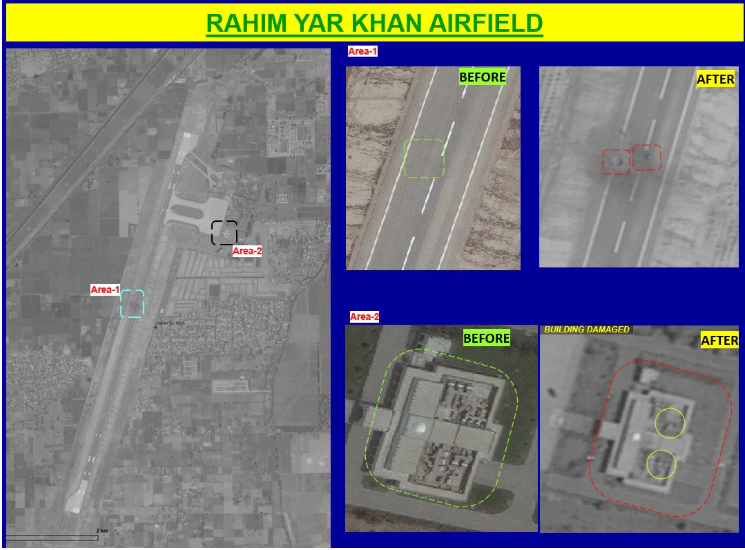
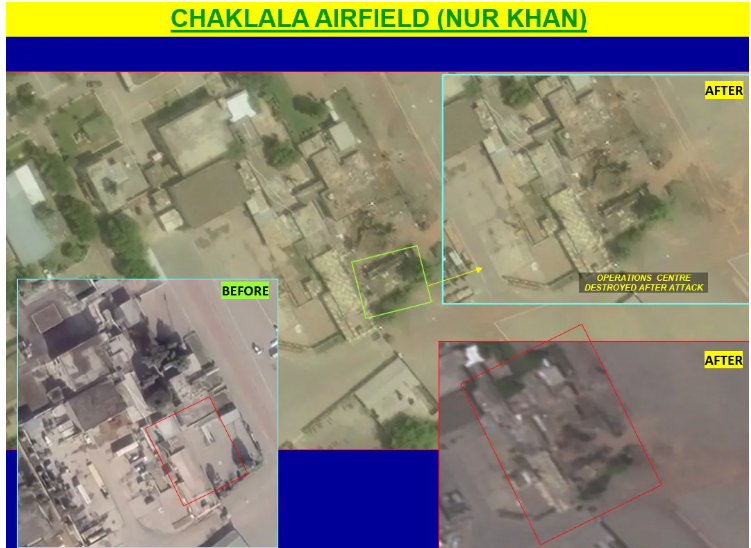
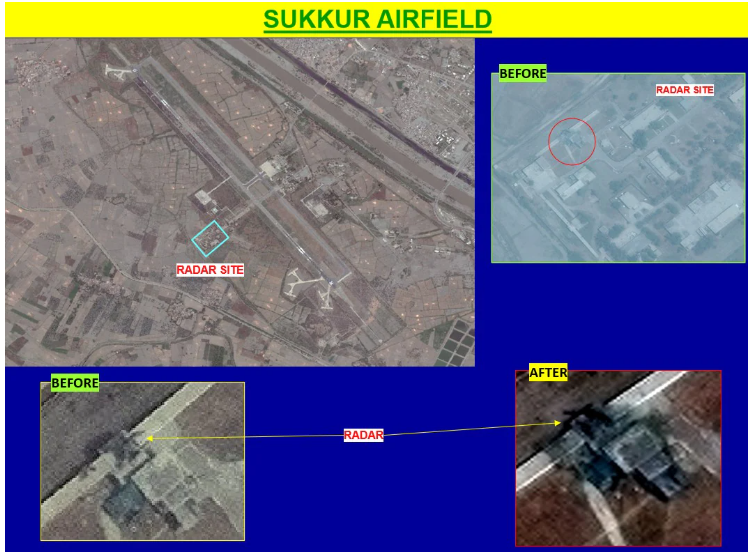
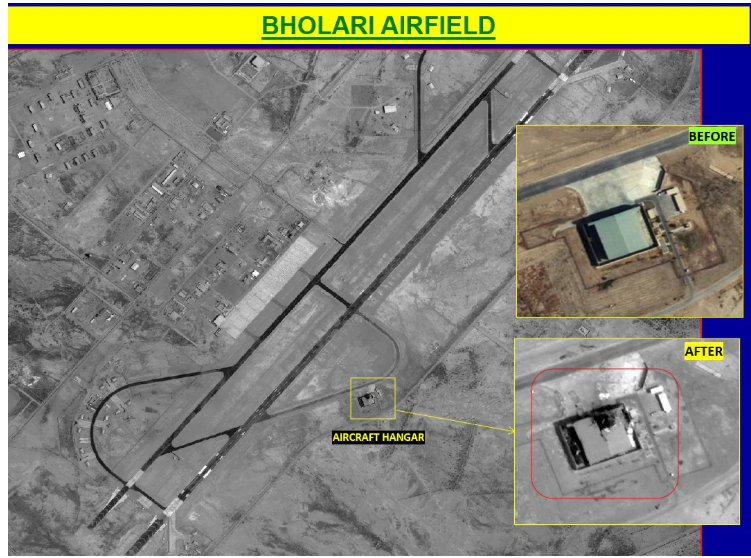
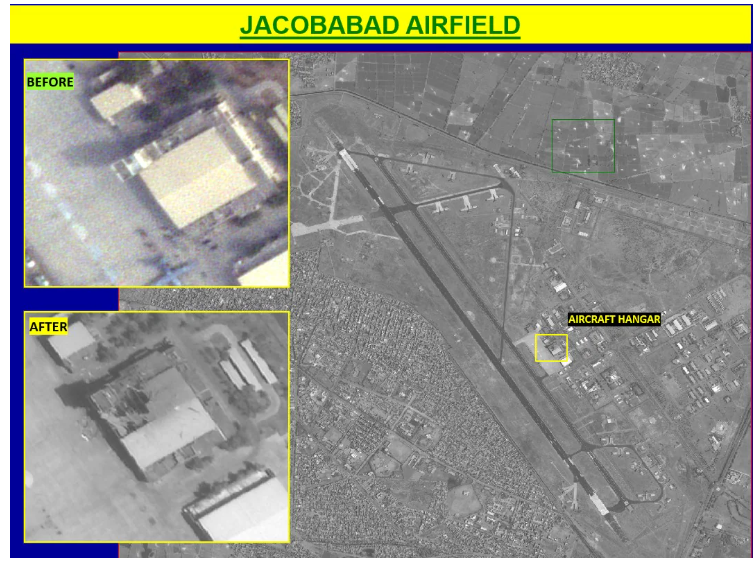
Satellite images released by India’s Defence Ministry showed before-and-after visuals of flattened compounds and scorched ground. Even Pakistan’s airfields weren’t spared.
Within three hours, India hit 11 military bases deep inside Pakistan, including Nur Khan, Sialkot, Sukkur, and Sargodha. As Air Marshal AK Bharti put it, “We could’ve taken out every system—but we chose restraint.”
That’s called power with purpose.
The First Time a Nuclear Nation’s Air Bases Were Targeted
In global military history, this was a first: a conventional military strike on the air force infrastructure of a nuclear-armed country—and with complete control.
What does this mean for India? It means we’re done playing defence. And what does it mean for Pakistan? It means their nuclear bluff just got called.
Pakistan’s desperate response—drone attacks on Indian civilians—only made things worse. India answered back with calibrated strikes on radars, depots, and command centres.
By Saturday, explosions were reported across multiple Pakistani airbases. The result? Islamabad called for a ceasefire by evening… and violated it within hours. Business as usual.
The First Quiet Night
After days of fire and fury, Sunday night was calm along the LoC. For the first time in over a week, there were no missile sirens, no drone alerts, no retaliatory strikes.
But India’s silence isn’t surrender. It’s strategy.
We’ve made our point—and we’re watching.
Beyond the Headlines: Why This Matters
For decades, India was told to “exercise restraint.” By whom? Countries that waged wars for oil. Nations that turned a blind eye to terror factories next door.
The hypocrisy was global—and loud.
Now, India is rewriting the rules. Operation Sindoor is not just a military win; it’s a message to every terror handler and every foreign diplomat who once thought India could be bullied.
What makes this strike different isn’t just the missiles or the planning. It’s the mindset. India didn’t just react. We led.
From surgical strikes in 2016 to Balakot in 2019—and now Operation Sindoor—India’s counter-terror doctrine has evolved. We’re no longer warning terrorists. We’re eliminating their homes.
Also Read The Secret Doctrine Behind Operation Sindoor – And Why It Has Pakistan Worried